
home entry security upgrades represent the single most effective line of defense when it comes to fortifying a residential property against unexpected security breaches.
Far too often, homeowners delay these crucial physical modifications until a nearby burglary triggers a wave of panic throughout the neighborhood.
Yet, securing your primary access doors requires surprisingly little architectural disruption or technical complexity.
Taking a deliberate, hands-on approach to physical hardware converts vulnerable entry points into formidable obstacles, granting your family authentic peace of mind without turning your private living space into an unsightly fortress.
Every home presents a unique layout, but the fundamental mechanics of residential entry defense remain remarkably consistent across different architectural designs.
When you take the time to inspect your entry points critically, you quickly realize that standard construction practices prioritize speed and low cost over long-term physical resilience.
Table of Contents
- What Is the Core Reality Behind Home Entry Security Upgrades?
- Why Do Standard Builder-Grade Doors Fail Under Pressure?
- How Do Home Entry Security Upgrades Reinforce Weak Door Frames?
- Which Smart Access Tools Deliver Real Protective Value?
- When Should Homeowners Secure Flimsy Patio Doors and Windows?
- Comparing Practical Hardware Improvements and Modern Entry Defense
- Frequently Asked Questions
- A Realistic Perspective on Residential Perimeter Protection
What Is the Core Reality Behind Home Entry Security Upgrades?
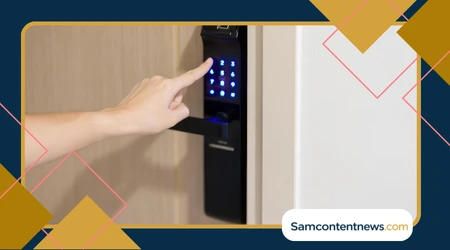
Securing household access points creates a physical barrier that delays unauthorized access and deters intruders looking for a quick, effortless opportunity.
Most opportunists target entryways offering fast, quiet access to interior living spaces, hoping to walk in and out completely unnoticed by neighbors.
When you fortify front, rear, and side access doors, you dramatically increase the time, physical effort, and noise required to force a door open.
Intruders almost always avoid targets that demand loud tools, heavy physical kicking, or prolonged exertion out in the open where neighbors can see them.
Implementing these physical improvements safeguards your family while preserving overall property value and curb appeal across your property.
Simple hardware enhancements lower overall structural vulnerability throughout your primary living areas without requiring expensive structural construction or messy structural renovations.
I often notice homeowners investing thousands of dollars in high-tech digital cameras while completely neglecting the flimsy three-quarter-inch screws holding their front door frame together.
A digital camera merely records an ongoing intrusion in high definition, whereas strong physical hardware actively stops someone from crossing your threshold in the first place.
Read also: Navigating dating later in life with Confidence
Why Do Standard Builder-Grade Doors Fail Under Pressure?
Standard exterior doors frequently fail under minimal physical force because builder-grade deadbolts and strike plates rely on shockingly short, low-grade screws.
These short fasteners anchor solely into thin decorative wood jambs rather than solid structural wall framing hidden directly behind the trim.
When an intruder kicks a standard doorway, thin wood trim splits immediately around those short latch screws under moderate impact.
Consequently, the locking mechanism tears completely free from the wooden frame despite the deadbolt pin remaining fully locked inside its small metal plate.
Hollow-core exterior doors and unreinforced surrounding glass panels create additional structural weaknesses across many modern suburban neighborhoods.
Physical force quickly shatters light wood panels or untreated glass panes, granting immediate physical access to interior door handles and manual deadbolt thumb-turns.
Contractors regularly install the cheapest hardware available to meet minimum regional building codes, leaving unsuspecting homeowners with a false sense of physical protection.
Recognizing these built-in manufacturing shortcuts remains the essential first step toward building a truly resilient home security perimeter that withstands real-world physical pressure.
Read more: Essential smart home devices for modern living
How Do Home Entry Security Upgrades Reinforce Weak Door Frames?
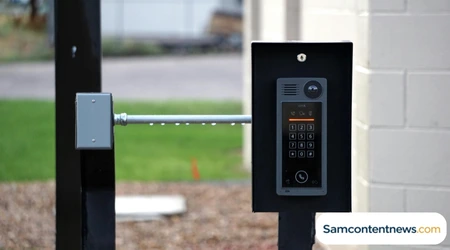
Upgrading your entry hardware shifts physical loads directly onto structural wall studs, creating a far more resilient physical barrier against external forces.
Replacing factory screws with three-inch hardened steel screws ensures your strike plate anchors deeply into solid internal lumber framing behind the decorative trim.
Adding heavy-duty strike plates, hinge shields, and steel strike boxes distributes kinetic energy across a much larger wall surface area.
This smart distribution prevents localized wood splitting when external pressure or sudden physical impact affects your primary doorway during an attempted intrusion.
Solid steel deadbolts featuring anti-saw rolling pins offer superior resistance against hand tools, saws, and brute physical force attacks.
Combining solid metal components with heavy strike plates transforms standard entryways into sturdy security barriers capable of delaying intruder entry significantly.
In my experience evaluating residential hardware setups, spending twenty dollars on structural steel screws yields far better protection than buying flashy digital add-ons.
Physical resistance forces intruders to abandon their attempts before they ever step inside your living space or harm your family.
To maximize the structural integrity of your entry doors, you must also pay close attention to the hinge side of the assembly.
Homeowners frequently install heavy-duty deadbolts while leaving the original short screws in the door hinges, creating an asymmetrical vulnerability that intruders can easily exploit.
++Simple ways to organize your closet
Which Smart Access Tools Deliver Real Protective Value?
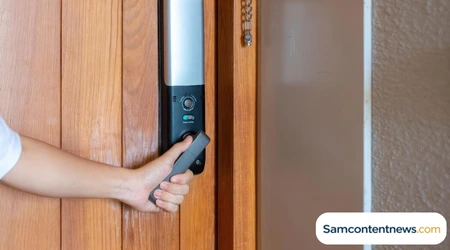
Keyless smart locks offer exceptional daily convenience and tracking capabilities while eliminating the inherent vulnerabilities associated with physical brass keys.
Lost or duplicated traditional keys frequently compromise household safety without the property owner ever knowing about the hidden security exposure.
Modern keyless deadbolts utilize advanced digital encryption alongside custom user access codes, temporary visitor permissions, and real-time activity logs.
These technical capabilities allow homeowners to monitor access points remotely using intuitive smartphone applications from anywhere in the world at any time.
Video doorbells complement mechanical smart locks by providing clear visual verification and continuous high-definition video recording of every approaching visitor.
Integrated motion sensors immediately alert residents to individuals on the porch, allowing rapid remote communication before anyone touches the physical door handle.
However, relying solely on electronic gadgets without reinforcing the underlying physical door frame creates a dangerously fragile security ecosystem.
Smart access technology functions best as an early detection layer sitting directly atop strong, physical hardware installations that resist physical force.
When selecting electronic lock hardware, look for devices certified under ANSI/BHMA standards to ensure they meet rigorous physical strength specifications alongside their digital features.
A smart lock with a Grade 1 physical rating provides maximum structural resistance against drilling, prying, and impact, ensuring that digital convenience does not compromise physical defense.
Additionally, choose smart locks that offer local keyless override options, such as physical keyways or external battery jumper terminals, so you never find yourself locked out during extended power outages or battery failures.
++Keep your home safe and secure with these 14 easy upgrades
When Should Homeowners Secure Flimsy Patio Doors and Windows?
Homeowners must reinforce secondary access points whenever existing latches feel loose, show surface rust, or rely on flimsy plastic internal parts.
Ground-floor side windows and rear sliding patio doors represent prime targets for forced entry due to concealed backyard locations away from public view.
Sliding glass doors require dedicated steel security bars, auxiliary track locks, or heavy-duty dual-pin latch mechanisms to prevent horizontal movement.
Intruders often lift improperly secured sliding doors straight off their bottom tracks using simple pry tools or large flathead screwdrivers.
Installing clear window security film prevents glass panels from shattering instantly upon heavy impact, holding broken fragments firmly together within the frame.
Applying security film alongside secondary window locks ensures comprehensive physical protection across all vulnerable perimeter entryways throughout your residence.
Many people overlook back patios because they assume locked latch handles provide sufficient protection against determined intruders seeking access.
In reality, basic factory patio latches break easily under light pressure, making auxiliary security bars an absolute necessity for complete perimeter safety.
Windows located adjacent to exterior doors present a specialized security hazard that requires immediate attention during your home assessment.
If an intruder can break a small window pane and reach inside to manually turn a deadbolt thumb-turn, even the strongest lock becomes useless.
Applying thick security laminates to surrounding side-lites or installing double-cylinder deadbolts that require a key from the inside neutralizes this vulnerability effectively.
However, always ensure that key-operated interior locks comply with local fire safety codes to guarantee rapid emergency egress for your family.
++12 Ways To Improve Front Door Security
Comparing Practical Hardware Improvements and Modern Entry Defense
Choosing the right combination of perimeter reinforcements depends heavily on your available budget, DIY skill level, and desired protective strength.
The table below compares common access hardware options available to modern homeowners looking to fortify their property line effectively.
| Security Upgrade Category | Average Installation Cost | Skill Level Required | Primary Security Benefit |
| Heavy-Duty Strike Plates | $15 – $40 | Basic DIY | Prevents frame splitting from direct kicks |
| 3-Inch Steel Frame Screws | $5 – $15 | Basic DIY | Deeply anchors door hardware into wall studs |
| Keyless Smart Deadbolts | $120 – $300 | Intermediate | Eliminates physical key copying and logs entry |
| Window Security Film | $30 – $100 | Intermediate | Holds shattered glass fragments tightly together |
| Sliding Door Security Bars | $20 – $50 | Basic DIY | Prevents forced horizontal sliding and lifting |
| Reinforced Door Armor | $70 – $150 | Intermediate | Encases door edges and weak jambs in heavy steel |
| Auxiliary Window Pin Locks | $10 – $25 | Basic DIY | Locks window sashes securely to prevent prying |
| Hinge Pin Protection Clips | $10 – $20 | Basic DIY | Stops out-swinging doors from being removed |
A Realistic Perspective on Residential Perimeter Protection
Upgrading your home security does not require massive financial investments, specialized technical skills, or complex structural renovations to achieve meaningful protection.
Practical physical improvements combined with modern smart devices build a resilient defense layer around your living space, protecting what matters most.
Focusing initial efforts on door frames, long steel screws, and high-quality deadbolts eliminates the most widespread structural entry vulnerabilities found in modern housing.
Protecting ground-floor windows and rear sliding glass doors completes your essential physical perimeter defense strategy, leaving no obvious gaps for intruders to exploit.
Regularly inspecting your hardware, testing smart devices, and keeping entryways well-lit ensures your protective systems function reliably year-round without unexpected failures.
Taking proactive hardware steps today prevents costly home intrusions and keeps your living environment safe, calm, and thoroughly secure for years to come.
True residential safety stems from understanding how physical components interact under pressure rather than relying blindly on false promises from alarm monitoring companies.
By taking control of your entry point hardware, you create a genuinely secure sanctuary for your family that stands up to real-world physical threats.
Frequently Asked Questions ( home entry security upgrades)
How long does it take to install basic physical door improvements?
Most basic hardware updates, such as replacing strike plate screws or installing sliding door lock bars, take less than thirty minutes per door.
Installing a new keyless smart lock typically requires under an hour using standard household screwdriver tools.
Are smart locks as physically durable as traditional mechanical deadbolts?
Yes, high-quality smart deadbolts carry the same ANSI Grade 1 or Grade 2 physical strength ratings as top-tier mechanical deadbolts.
They combine heavy metal construction with modern encrypted keypads and wireless access capabilities for robust physical defense.
Does window security film stop glass from cracking under heavy impact?
Security film does not prevent glass panels from cracking under violent physical force.
However, the heavy adhesive film holds broken glass fragments together firmly, preventing intruders from quickly reaching inside to turn interior door handles or window latches.
What is the single most affordable door reinforcement project?
Replacing short manufacturer screws in strike plates and hinges with three-inch hardened steel screws costs very little money.
This minor modification dramatically increases forced entry resistance by anchoring hardware directly into solid structural wall framing studs.
How do security bars protect rear sliding glass patio doors?
Security bars jam the active sliding glass panel against the stationary frame, physically blocking horizontal movement.
This simple mechanical barrier holds the patio door shut tight even if the primary factory latch breaks or gets picked from the outside.
Can I install reinforced strike plates on older wooden door frames?
Yes, heavy-duty strike plates fit most standard wooden jambs with minimal chisel work.
Ensure you drive long screws directly into the underlying structural wall studs to achieve maximum holding strength against forced physical entry attempts.
Do out-swinging exterior doors require specialized security upgrades?
Out-swinging exterior doors expose their hinge pins on the outside, creating a unique vulnerability if the pins can be tapped out easily.
Installing security hinges with non-removable pins or adding set-screw hinge studs prevents intruders from removing the door leaf entirely.
How often should I inspect my entry point hardware for wear?
Inspecting your entry door hardware twice a year ensures that screws remain tight, latches align smoothly, and weather stripping stays intact.
Thermal expansion and seasonal shifts can misalign strike plates, reducing physical holding power if left unadjusted over time.