
Learning how to organize a small living room requires a fundamental shift away from temporary tidy-up routines toward strategic, long-term spatial design choices.
Living with a tiny footprint often feels like playing an endless game of spatial Tetris.
Every piece of mail left sitting on the coffee table creates instant visual clutter, while oversized furniture swallows up precious square footage.
Small spaces demand high efficiency, yet nobody wants their home to feel like a cold, hyper-utilitarian storage facility.
Balancing layout efficiency with modern interior aesthetics transforms a claustrophobic lounge into an open, warm, and highly functional retreat that feels twice its actual size.
Key Takeaways
- Vertical storage shifts storage demands away from precious floor level to double your perceived living space.
- Multi-functional and dual-purpose furniture eliminates the unnecessary clutter of single-use accent items.
- Strategic zoning techniques establish clearly defined functional areas for relaxation, focused work, and entertainment within a single footprint.
- Smart cable management techniques and continuous lighting schemes drastically reduce distracting visual noise.
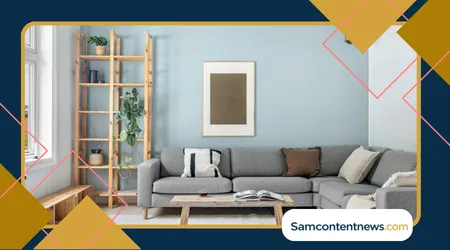
Why Does Small Living Room Clutter Accumulate So Fast?
Tight spatial layouts simply lack forgiving margin boundaries. A single stray jacket draped over a chair takes up five percent of your total visual field in a compact room, whereas that exact same jacket completely disappears in a sprawling residential layout.
The core issue stems from floor plan saturation, where every incoming object competes directly for limited flat surface real estate.
Most modern living spaces suffer from low-turnover accumulation. We routinely bring daily items into the main living zone—such as books, laptops, delivery packages, and kids’ toys—without establishing a dedicated, permanent home for them.
Without strict visual boundaries and intentional systems, physical clutter quickly translates into daily mental fatigue.
Understanding spatial physics helps break this stressful cycle for good.
When actual square footage remains fixed, dynamic storage, clear line-of-sight floor paths, and elevated furniture profiles become your primary tools for reclaiming essential breathing room.
How Do You Plan a High-Efficiency Layout for Tight Spaces?
Effective spatial planning always starts by lifting as many items as possible off floor planes. Maximum floor visibility tricks the human brain into perceiving a significantly larger total footprint.
Choosing furniture pieces with exposed legs or wall-mounted profiles instantly opens up the visual volume of the entire room.
Anchor your primary living space with your largest furniture piece first, which is typically your main sofa.
Placing seating flush against the longest uninterrupted wall usually optimizes overall traffic flow, though floating a sleek, low-profile couch can work well if it keeps main doorways completely unobstructed.
++ Simple home downsizing tips for a Fresh Start
Always ensure primary walkways retain at least 30 to 36 inches of clear passage to allow smooth, natural movement across the entire space.
Strategic Living Room Layout Options
- The Anchor Layout: Position your largest couch directly against the back wall, keeping side tables narrow and maintaining an unobstructed straight path toward adjacent rooms.
- The Floating Zone: Float a slim sectional away from the entry door to create an intentional divider between your entrance hallway and main lounge area.
- The Corner Focus: Utilize an L-shaped sofa pushed into a primary corner to maximize open floor space in the center of the room for movement.
Zoning gives functional purpose to awkward, underutilized corners. Use a slim floor lamp combined with a low-profile accent chair to convert an empty niche into a dedicated reading corner.
++ Beginner Guide to ChatGPT for beginners Made Easy
This deliberate visual separation keeps the overall area looking intentionally curated rather than haphazardly thrown together.
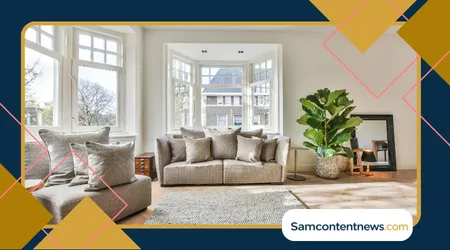
Which Multi-Functional Furniture Items Yield the Highest Return on Space?
Single-use furniture pieces waste immense functional capacity in tight quarters.
Replacing traditional, rigid accent pieces with versatile multi-functional designs doubles your functional storage capacity without adding an ounce of extra visual heavy weight to the environment.
| Furniture Category | Traditional Choice | High-Efficiency Alternative | Primary Spatial Benefit |
| Seating Options | Standard 3-Seater Sofa | L-Sectional with Built-In Internal Storage | Conceals heavy textiles, off-season gear, and extra bedding completely out of sight |
| Coffee Tables | Solid Block Wood Table | Lift-Top or Nesting Accent Tables | Provides hidden working desks and adaptable, modular surfaces on demand |
| Media Storage | Heavy Floor-Mounted Credenza | Wall-Mounted Floating Entertainment Console | Frees up lower floor area to expand continuous line-of-sight across the floor |
| Accent Seating | Padded Armchairs | Storage Ottomans with Flip Tops | Offers flexible extra seating plus instant hidden containment for daily loose items |
Selecting pieces with hidden, built-in storage keeps daily essentials accessible while preserving clean visual surfaces.
Nesting side tables slide effortlessly away whenever open floor space is needed for exercise or entertaining, while modern lift-top coffee tables eliminate the need for dedicated home-office desks that take up valuable square footage.
What Are the Best Vertical Storage Strategies for Low Square Footage?
When horizontal floor area hits its ultimate limit, your vertical wall planes offer massive untapped capacity.
Utilizing the entire room height from waist level all the way up to the ceiling dramatically alters how much a compact room can hold without feeling stuffed.
Floating shelves direct the eye upward, shifting storage burdens completely off floor surfaces while maintaining a light, airy ambiance.
Installing open shelving high up on central walls keeps everyday surfaces clear while doubling as a stylish display for curated books, artwork, and houseplants.
Custom built-in cabinetry or tall, full-height modular bookcases maximize wall coverage without extending deep into the room.
Research published by the U.S. Department of Housing and Urban Development, highlights how optimized interior spatial layouts directly improve functional quality of life and personal well-being in compact urban housing environments.
Vertical storage strategies give smaller residential footprints the high operational capacity of much larger homes.
Mount high-definition TV displays directly onto wall studs to completely eliminate bulky entertainment media stands.
Hang vertical pegboards or hidden modular track systems inside shallow closets for flexible hanging storage options.
Position floating ledges high above doorway frames to store low-use reference books, collectibles, or seasonal items safely out of the way.
Choose tall, narrow bookcases over short, wide dressers to draw the eyes upward and maximize vertical wall space efficiency.
How Can You Eliminate Visual Clutter and Cable Chaos?
Physical objects represent only half of the modern clutter equation; chaotic visual noise creates equal mental strain.
Exposed electronic cables running along baseboards disrupt clean architectural wall lines and draw unwanted attention directly to forgotten, messy corners.
Wall-mounted cable raceways can be painted seamlessly to match your background trim, instantly concealing power strips, TV cords, and gaming console wiring.
++ Navigating dating later in life with Confidence
Gathering loose cords into clean, woven cable sleeves keeps electronic connections neatly organized and hidden behind floating entertainment consoles.
Closed storage containers, natural woven baskets, and uniform canvas boxes unify varied household items into neat visual blocks.
Grouping smaller miscellaneous items inside opaque boxes creates smooth, clean surfaces and prevents open shelving units from feeling overly busy or overcrowded.
Which Lighting Techniques Make a Compact Lounge Feel Larger?
Dark, shadowed corners visibly shrink perceived room boundaries, while layered light distribution spreads illumination across every surface to make walls feel much further apart.
Relying solely on a single overhead ceiling fixture creates harsh drop shadows that visually constrain small rooms.
Layering your home lighting across three distinct vertical planes creates visual balance and depth:
Ambient Lighting: Dimmable overhead flush-mounts, recessed lights, or sleek track lighting systems provide broad, even surface illumination throughout the entire space.
Task Lighting: Adjustable floor lamps, targeted reading lamps, or slender wall sconces illuminate specific activity zones, like reading nooks and work tables.
Accent Lighting: Flexible LED strip lights placed behind wall-mounted TVs or underneath floating shelves add soft background depth and a warm architectural atmosphere.
Wall sconces directly wired or plugged into vertical surfaces clear off table surfaces entirely.
Eliminating bulky lamp bases on small side tables frees up prime tabletop space for books, drinks, and essential everyday items.
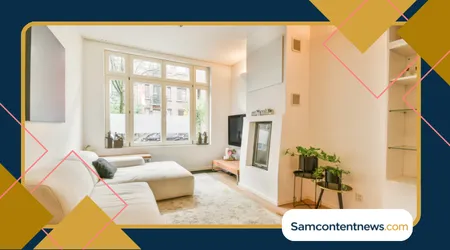
How Do You Keep a Small Living Room Organized Long-Term?
Maintaining an organized layout over time requires consistent, manageable daily habits.
Establishing simple reset routines prevents minor daily clutter from escalating into overwhelming weekend cleanup projects.
Implement a strict “one in, one out” policy for decorative accents, throw pillows, magazines, and books.
Bringing a new item home means donating or removing an existing one to maintain careful visual balance and keep flat surfaces perpetually manageable.
End every single evening with a quick, non-negotiable five-minute room reset.
Returning media remotes to hidden drawers, folding throw blankets into storage ottomans, and wiping down coffee table surfaces sets a completely fresh visual baseline for the following morning.
According to home organization and safety analysis from Consumer Reports, maintaining clear, unobstructed floor space and functional zonal boundaries significantly reduces daily household stress while extending the operational lifespan of interior furnishings.
Simple daily discipline combined with smart design keeps small living rooms highly functional, open, and comfortable year after year.
Frequently Asked Questions
What is the biggest mistake people make when arranging a small living room?
Buying undersized “dollhouse” furniture is a very common error. Multiple small, leggy furniture items split up the visual field into tiny pieces and create an overly cluttered look.
Selecting a few properly scaled, substantial pieces with built-in storage preserves clean, long visual lines and keeps the space feeling grounded and functional.
How do I fit a dining area into a small living room?
Use drop-leaf dining tables or wall-mounted drop-down desks that fold completely flat against the wall when not in active use.
Positioning a narrow bench directly against the back of your main sofa also creates a compact, stylish dining zone without interrupting primary traffic paths through the room.
Should I paint a small living room light or dark?
Light, cool paint tones like soft off-whites, gentle grays, and subtle blues reflect natural light effectively, making room borders feel expansive and airy.
While rich dark colors can create a cozy atmosphere in specific settings, light palettes generally deliver the crispest, most open look when organizing for maximum space perception.
How can I add decorative accents without making the space look messy?
Focus heavily on quality over quantity. Group decorative items in odd numbers (such as classic clusters of three) on structured wooden or metal trays to keep them visually contained in one place.
Wall-mounted art galleries featuring slender, matching frames add rich personal character without cluttering your valuable functional surfaces.
++ 57 small living room ideas for characterful compact spaces