
Lighting ideas for comfortable home environments start with understanding that illumination is about emotion, not just visibility.
Transforming a sterile, unwelcoming room into a cozy sanctuary requires more than a single glaring overhead bulb.
Poor lighting causes eye strain, disrupts evening relaxation, and makes beautiful furniture look entirely flat.
By mastering the delicate balance of ambient, task, and accent layers, you can completely redefine your living space.
Discover how the right fixtures and color temperatures instantly elevate your routine.
Key Takeaways
- Layering three distinct light sources is non-negotiable for a cozy atmosphere.
- Color temperature (measured in Kelvin) dictates the emotional response to a room.
- Smart circadian lighting systems represent the biggest residential comfort trend in 2026.
- Proper placement prevents glare and minimizes shadows in task-heavy areas.
What are the foundational layers of comfortable home lighting?
Creating a truly comfortable room requires moving beyond a single glaring overhead bulb. Interior designers rely on a three-tiered approach to build depth and warmth.
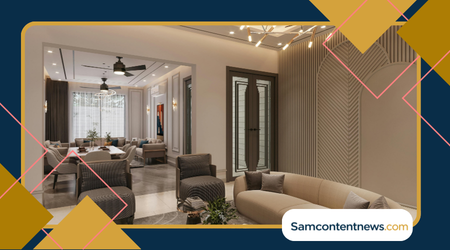
Ambient illumination acts as the base layer, providing overall visibility without overwhelming the senses.
Flush mounts, chandeliers, and recessed cans fall into this category. They replace natural sunlight when evening sets in.
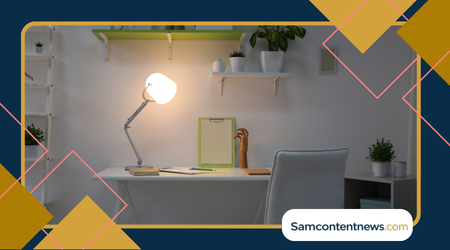
Task lighting targets specific functional areas. Reading nooks, kitchen counters, and desks demand focused beams that prevent eye fatigue.
If you are ever up late dealing with a digital emergency—like needing to recover compromised password manager credentials—you absolutely need a high-quality desk lamp with an adjustable arm to prevent headaches while staring at a screen.
Accent fixtures add the final touch of drama and coziness. Wall sconces flanking a fireplace, picture lights above artwork, or LED strips tucked under cabinets draw the eye to architectural details.
This layer adds dimension, ensuring the room feels lived-in rather than flat.
How does color temperature affect room ambiance?
Bulb brightness matters, but color temperature dictates the actual mood of your environment. Measured in Kelvin (K), this scale ranges from warm, amber glows to crisp, blue-white beams.
Warm white (2700K – 3000K) mimics the comforting glow of a traditional incandescent bulb or a fire.
Spaces dedicated to relaxation—like living rooms and bedrooms—thrive on these lower Kelvin ratings.
The amber hue signals the brain to unwind, promoting melatonin production as bedtime approaches.
Cool white (3500K – 4100K) feels energetic and sharp. Kitchens, bathrooms, and utility rooms benefit from this temperature because it enhances contrast, making detailed tasks like chopping vegetables or applying makeup much easier.
Daylight bulbs (5000K – 6500K) emit a harsh, bluish light that belongs almost exclusively in garages, basements, or highly clinical workspaces.
++ How to organize a small living room
Using these in a living room will make the space feel like a commercial warehouse, instantly killing any sense of comfort.
| Room Type | Ideal Kelvin Range | Primary Lighting Goal | Recommended Fixtures |
| Bedroom | 2700K | Relaxation and sleep prep | Bedside lamps, dimmable sconces |
| Living Room | 2700K – 3000K | Cozy socializing | Floor lamps, ambient pendants |
| Kitchen | 3500K – 4000K | Clear visibility for prep | Under-cabinet LEDs, track lights |
| Home Office | 3000K – 4000K | Focus and reduced glare | Adjustable desk lamps, bias lighting |
| Bathroom | 3500K | Accurate color rendering | Vanity mirror lights, recessed cans |
Which lighting fixtures maximize comfort in living spaces?
Dimmers are the absolute most cost-effective upgrade for residential comfort. Installing a dimmer switch allows you to adapt a room’s brightness to the exact time of day or activity.
Full brightness works for cleaning, while a 20% glow sets the perfect movie-watching atmosphere.
Floor and table lamps offer incredible flexibility. Moving a shaded floor lamp into a dark corner instantly transforms a dead zone into an inviting reading nook.
Fabric shades naturally diffuse harsh beams, casting a soft, flattering glow across seating areas.
According to the U.S. Department of Energy, modern LED bulbs use up to 90% less energy and last 25 times longer than traditional incandescent lighting.
Upgrading your fixtures to support dimmable, omnidirectional LEDs guarantees consistent, comfortable illumination without the annoying flicker or hum associated with older fluorescent technology.
What are the biggest home lighting mistakes to avoid in 2026?
Relying exclusively on overhead recessed lighting is the fastest way to ruin a room’s vibe.
Contractors often over-illuminate ceilings, creating harsh downward shadows that highlight facial imperfections and make spaces feel clinical.
Always pair overhead fixtures with eye-level sources like lamps or sconces to balance the light spread.
Ignoring natural light integration is another massive oversight. Window treatments should work in tandem with your electrical setup.
Sheer curtains soften harsh afternoon sun, while motorized blinds can automatically adjust to supplement your interior bulbs, keeping the environment organically balanced.
Mismatched color temperatures within the same open-concept space create subconscious visual chaos.
++ Essential smart home devices for modern living
Placing a 5000K bulb in a kitchen pendant right next to a 2700K living room floor lamp forces the eye to constantly adjust.
Stick to a unified Kelvin rating across interconnected areas to maintain a cohesive, peaceful flow.
Why is smart lighting the ultimate comfort upgrade?
Automation has moved far beyond simple convenience; it is now a fundamental tool for wellness.
Smart LED systems allow homeowners to program lighting scenes that automatically shift throughout the day.
Circadian rhythm lighting mimics the natural progression of the sun.
Bulbs output cooler, brighter light in the morning to stimulate energy, then automatically transition to warm, dim tones as evening approaches.
Organizations like the National Institutes of Health frequently highlight how proper ambient light management during waking and sleeping hours deeply impacts metabolic and neurological health.
Voice-controlled ecosystems eliminate friction from your daily routine.
Walking into a dark house with groceries and simply saying a command to activate a specific scene provides immediate comfort and safety.
Smart bridges also allow you to group fixtures, so a single command dims the overheads and turns on the accent strips perfectly.
Achieving a comfortable home requires intentionality rather than just wattage.
Start by assessing your darkest corners, swap out harsh daylight bulbs for warmer alternatives, and install dimmers to immediately elevate your daily living experience.
++ Overcoming fear of change in Your Next Chapter
How can strategic lighting manipulate spatial perception in small rooms?
Clever illumination visually expands cramped quarters without knocking down a single wall. Wall washing represents an incredibly effective technique for narrow spaces.
By directing recessed or track fixtures toward the longest, unbroken walls, the reflected glow blurs the physical boundaries of the room, making it feel significantly wider.
Low ceilings often make basements or older apartments feel oppressive. Torchière floor lamps and upward-facing wall sconces solve this by bouncing beams directly off the ceiling.
This upward wash of light draws the eye vertical, creating a powerful illusion of height and airiness.
Dark corners act as visual black holes that drastically shrink perceived square footage.
Placing small, low-wattage accent lamps or hidden LED strips in these forgotten edges pushes the boundaries of the room outward.
You must also avoid heavy, opaque lampshades in tight layouts. Glass, wire, or woven rattan pendants allow light to pass through their structures, maintaining an unobstructed line of sight across the entire space.
What are the most effective exterior lighting ideas for evening comfort?
A truly comfortable home extends seamlessly beyond its exterior walls. Transitioning your backyard or patio into an evening oasis relies entirely on gentle, low-voltage ambient layers.
Commercial-grade LED string lights draped over pergolas or outdoor dining tables instantly recreate a warm, intimate atmosphere that invites long conversations.
Safety and comfort operate hand-in-hand when dealing with outdoor environments. Installing subtle pathway lighting prevents tripping hazards while gently guiding guests through your landscape.
Staggering solar-powered or low-voltage LED path lights close to the ground provides necessary visibility without causing blinding glare against the dark night sky.
Hardscape illumination integrated directly into deck stairs, retaining walls, or built-in seating delivers a high-end, architectural feel.
This concealed approach hides the physical fixture, allowing a gentle wash of light to highlight natural textures like stone, brick, or wood.
Your ultimate goal is a soft, welcoming perimeter glow that invites relaxation, rather than a harsh stadium-level floodlight blast that ruins the evening ambiance.

Frequently Asked Questions
How many light sources should a living room have?
A standard-sized living room needs at least three distinct light sources.
Combine a central overhead fixture (ambient) with a floor lamp near seating (task) and a small table lamp or sconce (accent) to eliminate dark corners and create depth.
What is the best lighting for reading in bed?
Wall-mounted swing-arm sconces or adjustable bedside lamps with 2700K LED bulbs provide the best reading experience.
Position the light source slightly behind your shoulder to illuminate the page without shining directly into your eyes or disturbing a partner.
Can LED lights really look as warm as old incandescent bulbs?
Yes. Modern manufacturing allows LEDs to perfectly replicate the vintage warmth of traditional filaments.
Look for bulbs specifically labeled “Warm White” (2700K) with a high Color Rendering Index (CRI of 90+) to ensure rich, accurate, and cozy illumination.
How do I light a room with low ceilings?
Avoid hanging pendants or large chandeliers that draw attention to the lack of height.
Instead, use flush mount fixtures, strategically placed floor lamps that cast light upwards (torchières), and recessed lighting to create an illusion of space and verticality.
++ Home Lighting Ideas to Illuminate Your Space for Aesthetics & Functionality
++ 8 lighting tricks that will make your home a hundred times more cosy