
Mastering safe online shopping requires understanding modern cybersecurity defenses, protecting payment details, identifying fraudulent retail websites, and understanding federal consumer protection rights in our hyper-connected economy.
Digital storefronts offer unparalleled convenience, yet sophisticated e-commerce scams, identity theft tactics, and data breaches demand vigilant browsing habits.
Modern consumers must navigate digital marketplaces with sharp analytical awareness, using proven technical controls and smart verification habits.
Protecting your personal identity and financial assets while shopping online involves implementing multi-layered security measures, validating seller credibility, and choosing secure payment channels.
Navigating online stores securely empowers you to enjoy digital convenience without sacrificing financial security or exposing personal data to cybercriminals.
There is something deeply unsettling about how seamlessly a polished interface can mask a digital trap.
When you realize that the most dangerous fraudulent storefronts look identical to trusted retail giants, staying safe shifts from a casual concern into an essential habit.
Summary
- Digital Threat Landscape: Identifying modern digital storefront risks, sophisticated phishing schemes, and social engineering tactics targeting online shoppers.
- Payment Security Frameworks: Evaluating credit cards, virtual card numbers, third-party payment gateways, and digital wallet security protocols.
- Website Verification Protocols: Practical techniques for auditing SSL certificates, domain registration details, merchant reputation, and security trust seals.
- Device Hygiene Standards: Essential security practices including multi-factor authentication, network security, passkeys, and password management tools.
- Consumer Protection Matrix: Technical security layers, execution strategies, primary protective functions, and direct consumer safety benefits.
- Frequently Asked Questions: Direct expert answers addressing chargeback rights, fraudulent site recovery, public Wi-Fi security, and virtual card usage.
What Are The Primary Threats to Safe Online Shopping Today?

Navigating e-commerce platforms exposes consumers to evolving digital fraud vectors, ranging from sophisticated fake retail websites to sophisticated phishing emails.
Cybercriminals design counterfeit storefronts that mirror legitimate brands, tricking shoppers into submitting credit card details and login credentials.
Malicious search engine optimization tactics sometimes push fraudulent retail links to the top of search results during major holiday shopping seasons.
Unsuspecting shoppers click these sponsored listings, assuming top search engine placement guarantees merchant legitimacy and transactional safety.
Credential stuffing attacks exploit consumers who reuse passwords across multiple retail platforms, allowing hackers to compromise accounts and make unauthorized purchases.
Credential theft often leads to gift card drain, account takeover, and persistent identity fraud across interconnected services.
Data harvesting through malicious browser extensions silently captures keystrokes, personal details, and payment information as you complete checkout forms.
Installing unverified browser plugins creates significant security vulnerabilities, exposing sensitive financial data to unknown third-party entities.
Subtle typosquatting domains exploit minor spelling mistakes in website URLs, directing shoppers to convincing replica sites designed to steal financial credentials.
Always double-checking address bar spellings prevents accidental navigation to harmful fraudulent platforms mimicking popular retail sites.
Understanding these vectors enables proactive risk management, transforming passive internet browsing into an active, security-conscious shopping routine.
Vigilance combined with modern technical defenses creates a robust shield against sophisticated web-based financial scams.
I often tell people that cybercriminals rarely break into systems through brute force anymore; they simply trick us into handing over the keys.
Recognizing this shift in tactics is half the battle when securing your digital footprint.
Read also: Simple ways to improve communication in marriage
How Do Virtual Payment Methods Enable Safe Online Shopping?
Utilizing tokenized payment technology prevents merchants from storing actual credit card numbers within their internal company databases, eliminating data breach risks.
Virtual card services generate temporary card numbers tied to your primary account, restricting spending limits and merchant usage.
Credit cards offer vastly superior consumer protection compared to debit cards, limiting cardholder liability for fraudulent transactions under federal consumer laws.
Direct bank account access via debit cards exposes checking balances to immediate theft during compromised checkout transactions.
Digital wallets like Apple Pay and Google Pay substitute actual card numbers with encrypted tokens during checkout procedures.
Encrypted tokenization ensures merchants never view or process your actual bank details, protecting transactions against endpoint terminal interception.
Setting up instant transaction alerts through your financial institution ensures immediate notification whenever charges post to your accounts.
Rapid detection allows immediate card freezing, minimizing financial loss and streamlining resolution processes with fraud department specialists.
Third-party processors like PayPal provide an additional layer of isolation between your personal bank account and unknown online merchants.
Utilizing established payment intermediaries reduces transaction exposure while offering centralized dispute resolution mechanisms for unfulfilled orders.
Federal consumer protection guidelines consistently emphasize that debit cards offer far less statutory protection during active fraud investigations.
Relying on credit lines or tokenized systems keeps your actual liquid capital completely untouched while disputes resolve.
In my view, using a debit card for routine online purchases is akin to handing a stranger your physical wallet.
Isolating your core bank account behind tokenized virtual numbers remains the single most effective barrier against financial loss.
Other people are also reading: How to create strong passwords you remember
Why Should You Verify Merchant Legitimacy Before Making Purchases?
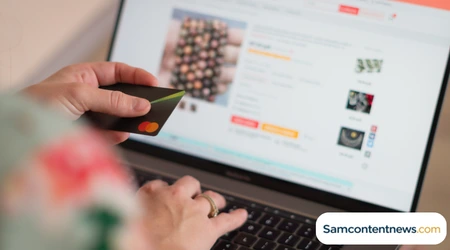
Auditing online seller credibility before entering payment details prevents financial loss and protects personal identification information from illicit harvesting operations.
Legitimate businesses maintain clear corporate contact details, verifiable physical street addresses, and accessible customer support phone channels.
Analyzing domain registration history through WHOIS lookup tools reveals whether a retail website was registered recently by anonymous registrants.
Scammers frequently launch short-lived e-commerce domains right before peak shopping holidays, abandoning them after collecting payment details from victims.
Authentic customer reviews scattered across independent platforms provide objective insights into shipping reliability, product quality, and return policy compliance.
Relying solely on internal website reviews proves risky, as dishonest site operators easily publish fake positive testimonials.
Evaluating website privacy policies and return terms ensures clear recourse if merchandise arrives damaged, counterfeit, or fails to deliver entirely.
Vague return language, missing contact forms, and broken website links signal unprofessionally managed or fraudulent shopping platforms.
Validating secure sockets layer encryption by checking for secure protocols and valid browser security certificates remains an essential baseline step.
Encryption protects transmitted data from interception, though consumers must remember that encrypted fraudulent sites still exist today.
Developing a critical mindset regarding unrealistically low product prices shields consumers from malicious storefronts offering counterfeit goods.
If luxury items carry extreme discounts well below market value, the platform likely operates as a scam.
We frequently misinterpret the padlock icon in our browser address bar as a guarantee of complete vendor honesty.
That green icon merely confirms your connection is encrypted, not that the person on the other end is trustworthy.
++Easy backup techniques for phone photos
Which Device Security Settings Guarantee Safer E-Commerce Transactions?

Securing your personal computer, smartphone, and browser environment prevents unauthorized access to stored credit cards and commercial shopping accounts.
Updating operating systems and web browsers patches known security vulnerabilities exploited by drive-by malware attacks.
Implementing strong, unique passphrases for every retail account prevents cascading account compromises if one merchant suffers a corporate data breach.
Utilizing reputable password managers simplifies credential generation, encrypted storage, and automatic form-filling across all your digital devices.
Enabling multi-factor authentication adds a critical security layer, requiring hardware security keys or authenticator app codes alongside standard passwords.
Biometric verification methods like fingerprint readers or facial recognition further strengthen mobile device checkout safety against physical theft.
Avoiding public Wi-Fi networks during shopping sessions prevents packet sniffing attacks designed to intercept unencrypted personal traffic.
Utilizing virtual private networks encrypts internet traffic when connecting through public access points, shielding browsing sessions from local eavesdroppers.
Disabling browser features that automatically save credit card details reduces risk if your physical laptop or smartphone gets stolen.
Entering payment details manually or utilizing tokenized digital wallets offers far greater security than unencrypted local browser storage.
Adopting these technical safeguards converts vulnerable personal devices into fortified portals for safe online commerce operations.
Consistent security hygiene minimizes digital attack surfaces, ensuring consistent protection across all digital retail environments.
Treating device updates as optional inconveniences leaves open doors for old, well-documented exploits to bypass your defenses.
Keeping software updated remains the simplest, most effective form of ongoing digital maintenance.
++10 Tips for Safe and Secure Online Shopping
Technical Security and Consumer Protection Matrix (safe online shopping)
Implementing multi-layered digital security measures protects personal financial data during e-commerce transactions.
The following matrix details security layers, implementation methods, primary security functions, and direct consumer safety benefits.
| Security Layer | Implementation Method | Primary Protective Function | Direct Consumer Safety Benefit |
| Virtual Card Numbers | Banking apps or browser extensions | Generates merchant-specific temporary card data | Prevents main account drain during corporate data breaches |
| Multi-Factor Auth | Authenticator apps or hardware keys | Requires secondary verification during account login | Stops unauthorized access even if passwords become leaked |
| Domain Auditing | Address bar inspection and WHOIS checks | Confirms merchant domain age and SSL validity | Blocks interactions with newly created scam websites |
| Credit Card Payment | Primary credit line usage over debit | Provides statutory chargeback protection rights | Limits legal fraud liability to zero or fifty dollars |
| Encrypted VPN Use | Dedicated virtual private network software | Encrypts network traffic over untrusted Wi-Fi | Stops local data sniffing on public internet connections |
Safe online shopping: how Can Consumers Identify Sophisticated Social Engineering Scams?
Recognizing manipulative psychological tactics helps shoppers spot fraudulent communications designed to induce panic and force hasty financial decisions.
Scammers send urgent email notifications claiming account suspension, unauthorized charges, or failed package deliveries requiring immediate verification.
Verifying sender email addresses carefully exposes impersonation attempts, as malicious actors use domain names that mimic legitimate corporate brands.
Hovering over embedded links reveals true destination URLs, helping you spot fake login portals before entering account details.
Legitimate delivery services and financial institutions never request sensitive account passwords, social security numbers, or full card details via text.
Exercise extreme caution when receiving unsolicited SMS messages containing shortened URLs claiming urgent delivery tracking issues.
Countering urgency tactics requires stepping back from high-pressure situations to verify claims directly through official customer support portals.
Opening fresh browser windows and navigating directly to merchant websites prevents falling victim to deceptive phishing links.
Educating family members about modern fraud techniques builds collective resilience against social engineering schemes targeting household financial accounts.
Open communication regarding suspicious digital requests prevents vulnerable household members from sharing sensitive payment credentials online.
Developing disciplined habits around link verification transforms digital skepticism into an effective protective barrier against online fraud.
Remaining calm during artificial account emergencies preserves your critical judgment, shielding your personal assets from theft.
Artificial urgency is the universal signature of a social engineering scam; scammers rely on panic to bypass your logical reasoning.
When an email demands immediate action, taking a deliberate five-minute pause is often your best security defense.
++A Complete Guide to Safe Online Shopping
What Immediate Steps Should You Take If Your Financial Data Is Compromised?
Responding rapidly to suspected financial fraud mitigates monetary damages and prevents malicious actors from hijacking personal identity credentials.
Contacting your bank or credit card issuer immediately freezes compromised cards and initiates formal dispute investigations.
Changing passwords across all commercial accounts, especially those sharing credentials with compromised platforms, stops unauthorized account access escalation.
Updating security questions and revoking active login sessions prevents persistent attacker access across secondary digital services.
Filing identity theft reports with law enforcement agencies and national consumer protection bureaus documents fraudulent activities for legal recovery.
Documenting dates, reference numbers, and representative names creates a clear administrative paper trail during financial dispute proceedings.
Placing fraud alerts or credit freezes on national credit bureau reports prevents identity thieves from opening new credit accounts.
Credit freezes restrict lender access to credit files, blocking unauthorized loan applications submitted using stolen personal details.
Monitoring bank statements and credit reports continuously over subsequent months detects delayed fraudulent charges or secondary identity misuse.
Sustained vigilance ensures long-term recovery, protecting your personal credit profile from lingering unauthorized financial activities.
Cybersecurity agencies universally advise that freezing your credit reports proactively is the single best defense against identity impersonation.
Restricting access to your credit history costs nothing and blocks fraudulent loan applications before they ever start.
In my experience, panic after a security breach leads to sloppy mistakes like clicking fake resolution links sent by opportunists.
Following a structured, calm recovery checklist restores order far faster than frantic digital button-mashing.
Building Long-Term Digital Resilience in Modern E-Commerce
Embracing security best practices transforms modern digital shopping from a high-risk activity into a safe, seamless personal convenience.
Combining technical defenses, payment tokenization, merchant verification, and device hygiene builds a comprehensive shield against modern cyber threats.
Commit to reviewing your digital security posture today by enabling multi-factor authentication on primary email and retail accounts.
Simple technical adjustments drastically reduce identity theft risks, ensuring your personal assets remain fully protected during transactions.
Educating yourself continuously on emerging fraud tactics ensures you stay ahead of increasingly sophisticated digital scams targeting web shoppers.
Awareness paired with modern security tools grants complete confidence when exploring new online marketplaces and global storefronts.
Take full ownership of your digital footprint, treating personal data with the same careful protection given to physical assets.
Safe online navigation allows modern consumers to enjoy global market access while maintaining complete control over personal privacy.
Building strong cybersecurity habits ensures that modern digital commerce remains efficient, rewarding, and thoroughly secure throughout your digital life.
Protect your credentials, verify your merchants, and shop with complete confidence in our connected world.
When you treat security not as a series of tedious chores but as an empowering personal habit, the digital market becomes entirely yours to enjoy. Stay skeptical, keep your devices updated, and shop on your own terms.
Safe online shopping: frequently asked questions
What is the safest payment method for online shopping?
Credit cards and tokenized digital wallets represent the safest payment methods due to strong federal fraud protections and isolated account access.
How can I tell if a retail website is legitimate?
Check for valid SSL encryption, verify domain registration age using WHOIS tools, confirm physical address details, and read independent customer reviews.
What should I do if an online merchant fails to deliver my order?
Contact the merchant directly to request tracking updates, and if they prove uncooperative, initiate a chargeback claim through your card issuer.
Is it safe to shop online using public Wi-Fi networks?
Shopping on public Wi-Fi carries risks unless you route your connection through a trusted, encrypted virtual private network to protect data.
How do virtual credit cards protect my bank account?
Virtual cards generate temporary numbers linked to your account, allowing you to set spending limits and lock numbers to single merchants.