
Selecting the best low maintenance indoor plants empowers busy professionals and apartment dwellers to cultivate thriving green spaces without devoting endless hours to complex horticultural care routines.
Integrating resilient houseplants into living quarters improves indoor aesthetics, elevates mood levels, and optimizes domestic air quality through natural biological transpiration processes.
Varieties such as snake plants, pothos, and ZZ plants tolerate fluctuating light conditions, irregular watering schedules, and low ambient humidity effortlessly.
Mastering basic care fundamentals involves selecting proper potting soils, choosing containers with drainage holes, and recognizing early physical signs of root stress before permanent damage occurs.
Cultivating durable botanical species transforms urban apartments into serene indoor sanctuaries without forcing gardeners to manage demanding maintenance schedules or precise feeding regimes.
In my experience, the biggest mistake people make when decorating with greenery is assuming that more attention equals better health.
In truth, over-caring kills far more indoor foliage than quiet neglect ever will, making restraint your most valuable gardening tool.
Summary
- Resilient Houseplant Species: Evaluating top-tier botanical candidates renowned for drought tolerance, low-light adaptability, and minimal maintenance demands.
- Environmental Adaptation Mechanics: Understanding how specialized root structures and succulent leaves conserve moisture across diverse home environments.
- Potting and Soil Requirements: Essential guidelines for selecting well-draining substrate mixes and breathable containers to prevent root rot issues.
- Light and Irrigation Benchmarks: Practical schedules for balancing indirect natural light exposure with deliberate, infrequent watering intervals.
- Indoor Plant Care Comparison Matrix: A detailed breakdown comparing light requirements, watering frequencies, toxicity profiles, and ideal placement zones.
- Frequently Asked Questions: Clear expert insights addressing overwatering recovery, pest resistance, pet safety concerns, and seasonal growth shifts.
What Are The Top Low Maintenance Indoor Plants For Modern Homes?
Integrating hardy botanical species transforms indoor environments while keeping weekly plant care routines remarkably simple, quick, and stress-free for busy home managers.
Sansevieria trifasciata, commonly known as the snake plant, stands out as an exceptionally tough houseplant capable of surviving weeks of complete watering neglect.
Zamioculcas zamiifolia, or the ZZ plant, features thick succulent rhizomes that store abundant water reserves underground, protecting leaves during extended dry periods.
Its glossy green foliage thrives under artificial office lighting and dim residential corners where other tropical houseplants quickly wither.
Epipremnum aureum, widely called golden pothos, offers fast-growing trailing vines that adapt seamlessly to hanging baskets, tall bookshelves, or desktop planters.
Pothos leaves visibly droop when soil dries out completely, giving clear, foolproof visual cues before severe drought stress damages roots.
Aspidistra elatior, aptly named the cast iron plant, tolerates extreme temperature fluctuations, deep indoor shade, and poor soil conditions without losing its rich green leaves.
This slow-growing Asian native represents an ideal botanical investment for dimly lit hallways or entryways receiving minimal natural sunlight.
Aglaonema, known as Chinese evergreen, provides striking variegated foliage featuring subtle pink, silver, and red patterns across broad leaf surfaces.
These slow-growing tropical perennials thrive in standard home temperatures while demanding minimal fertilization or frequent repotting interventions.
Selecting these proven low maintenance indoor plants guarantees long-term indoor gardening success without forcing homeowners to purchase specialized growing equipment or complex organic fertilizers.
Botanical durability ensures vibrant green foliage remains healthy even when work travel interrupts routine household maintenance schedules.
++Easy hobbies to start after 50 for Daily Joy
How Do These Low Maintenance Indoor Plants Survive Irregular Care Schedules?
Houseplants adapted to arid environments or dense forest floors possess evolutionary adaptations that conserve water and withstand prolonged periods of light deprivation.
Succulent leaves store dense cellular moisture reserves, allowing foliage to remain firm and green during extended dry spells without wilting.
Underground rhizomes and tuberous root structures act as natural biological water reservoirs, storing essential nutrients until surface soil receives fresh moisture.
These specialized storage organs protect root systems from drying out completely when homeowners forget regular irrigation routines for weeks.
Crassulacean acid metabolism enables certain plants like snake plants to open leaf pores exclusively at night, drastically reducing daytime moisture evaporation.
This efficient metabolic process conserves vital internal water reserves while allowing efficient carbon dioxide absorption for daytime photosynthesis cycles.
Broad, dark leaves packed with chlorophyll capture minimal ambient light photons efficiently, sustaining fundamental biological energy production within shadowy room corners.
Low metabolic rates mean these sturdy botanical species require very little mineral fertilizer or frequent soil amendments to maintain health.
Leading botanical institutions regularly publish detailed care frameworks and plant hardiness data to assist urban growers in choosing resilient houseplant varieties.
Consulting these horticultural databases provides verified guidelines for maintaining optimal root health without excessive effort.
Understanding these natural physiological mechanics eliminates anxiety surrounding plant care, proving that overwatering often poses a far greater threat than accidental neglect.
Respecting a plant’s natural adaptation mechanisms ensures indoor greenery remains vibrant and resilient year-round.
Read also: Best lighting ideas for comfortable home
Why Is Soil Drainage Critical For Houseplant Longevity?
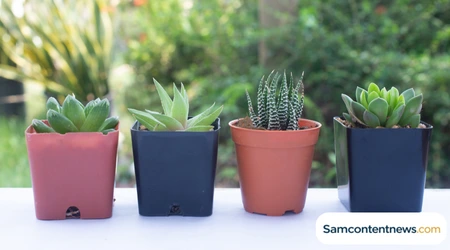
Root rot caused by stagnant water around underground root systems remains the primary killer of indoor foliage across modern residential homes.
Standard potting soils often hold excessive moisture, suffocating root tissues by blocking vital oxygen exchange required for healthy cellular respiration.
Mixing coarse perlite, orchid bark, or pumice into standard peat-based soils creates loose, airy substrates that drain excess water rapidly through container bottoms.
Airy potting mixes allow delicate root tips to expand easily while maintaining sufficient moisture films around organic soil particles.
Selecting containers equipped with functional drainage holes ensures excess irrigation water exits freely rather than pooling around delicate subterranean roots.
Using unglazed terracotta pots further enhances soil aeration because porous clay walls allow moisture to evaporate naturally through container sides.
Checking soil moisture depth with a simple finger test prevents premature watering when subterranean root zones remain adequately moist below surface levels.
Inserting a finger two inches into potting soil confirms whether deeper substrate layers require fresh water or additional drying time.
Discarding standing water from saucer trays fifteen minutes after watering prevents pots from reabsorbing excess drainage back into bottom soil layers.
Simple drainage management preserves delicate root hair integrity, preventing fungal pathogens from compromising plant health over extended growing seasons.
Mastering soil drainage fundamentals turns plant care into a predictable science, ensuring your indoor garden flourishes without unexpected leaf drop or decay.
Healthy root systems provide a strong foundation for steady, low-maintenance leaf growth across every season.
++The 18 Best Low-Maintenance Indoor Plants
Which Light Conditions Work Best For Durable Indoor Greenery?
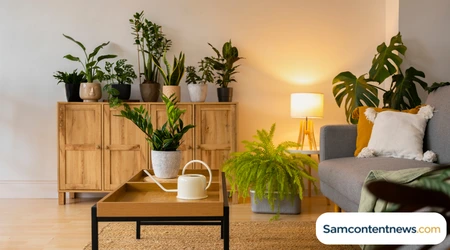
Bright, indirect natural light flowing through east or south-facing windows provides optimal illumination for most hardy tropical houseplants without scorching sensitive leaves.
Positioning containers a few feet away from direct window glass prevents harsh solar rays from burning foliage during peak summer afternoons.
Medium indirect light found in central living rooms or near sheer curtains supports steady, moderate growth rates across most resilient plant varieties.
Plants receiving medium light levels consume soil water more slowly, reducing the frequency of necessary irrigation routines significantly throughout the year.
Low light areas, including north-facing rooms, windowless bath spaces, or shadowed offices, suit shade-tolerant species like snake plants and cast iron plants.
While growth slows noticeably in dim environments, these durable species maintain structural integrity and deep green leaf coloration for years without declining.
Utilizing modern full-spectrum LED grow lights offers energy-efficient supplemental lighting for interior rooms lacking adequate architectural window openings.
Running small grow lights on automatic timers supplies consistent daily photons without generating harmful heat that dries out soil prematurely.
Rotating plant pots a quarter turn monthly ensures foliage receives balanced light exposure from all sides, preventing lopsided stem growth toward windows.
Balanced illumination maintains symmetrical plant shapes, keeping indoor displays looking neat, intentional, and professionally curated.
Matching specific plant species to your home’s existing light conditions eliminates constant relocation hassles, ensuring long-term botanical stability across every room.
Understanding light dynamics allows you to place greenery strategically for maximum visual impact and minimal maintenance effort.
++Top 13 Low-Maintenance Indoor Plants For Busy People
Indoor Plant Care Comparison Matrix
Evaluating environmental needs helps homeowners select suitable houseplant species for specific room locations and lifestyle schedules.
The following comparative matrix details light requirements, watering intervals, pet safety profiles, and recommended placement zones for top low-maintenance plants.
| Plant Variety | Light Requirement | Average Watering Interval | Pet Safety Profile | Ideal Placement Zone |
| Snake Plant (Sansevieria) | Low to bright indirect | Every 2 to 4 weeks | Toxic to cats and dogs | Bedrooms and dim corners |
| ZZ Plant (Zamioculcas) | Low to medium indirect | Every 3 to 4 weeks | Toxic to cats and dogs | Offices and windowless hallways |
| Golden Pothos (Epipremnum) | Medium to bright indirect | Every 1 to 2 weeks | Mildly toxic to pets | High shelves and hanging pots |
| Cast Iron Plant (Aspidistra) | Deep shade to medium light | Every 2 to 3 weeks | Non-toxic to cats and dogs | Busy entryways and dark living rooms |
| Parlor Palm (Chamaedorea) | Medium indirect light | Every 1 to 2 weeks | Non-toxic to cats and dogs | Living room desks and side tables |
How Can You Identify and Treat Common Houseplant Issues Early?
Recognizing early physiological distress signs enables quick corrective action before minor care imbalances turn into irreversible plant decay.
Yellowing lower leaves frequently indicate overwatering issues, signaling that damp soil is suffocating root systems and preventing proper nutrient uptake.
Crisp, brown leaf tips typically reveal low relative humidity levels or mineral buildup from chlorinated tap water passing through leaf veins.
Switching to filtered water and grouping houseplants together creates localized microclimates that elevate surrounding air humidity naturally without machinery.
Drooping or curling foliage serves as a classic indicator of underwatering, signaling that internal cellular pressure has dropped due to dry soil.
Supplying a thorough soaking allows wilted stems to absorb water quickly, restoring firm leaf turgor pressure within hours.
Inspecting leaf undersides regularly catches common pests like spider mites, mealybugs, or scale insects before infestations spread across your collection.
Wiping leaves gently with mild insecticidal soap or diluted neem oil eliminates soft-bodied pests without damaging delicate foliage surfaces.
Pruning yellowed stems or dead leaves using sanitized shears directs plant energy toward generating healthy new growth during spring seasons.
Maintaining clean foliage by dusting leaves monthly improves photosynthetic efficiency, ensuring plants maximize available ambient room light effectively.
Developing proactive inspection habits keeps minor plant issues from spiraling into complex care crises, safeguarding your botanical investments over time.
Quick, decisive care adjustments restore plant vigor rapidly, maintaining effortless green beauty throughout your home.
Low maintenance indoor plants: what Simple Seasonal Adjustments Keep Indoor Foliage Thriving?
Houseplant care requirements shift naturally between active spring growth periods and dormant winter months as indoor light and temperature levels fluctuate.
Decreasing watering frequency significantly during late autumn prevents moisture from lingering around dormant roots when plant growth slows down naturally.
Discontinuing nitrogen fertilizer applications during winter months protects delicate root tissues from chemical burns when metabolic nutrient absorption halts.
Resuming light feedings during early spring provides essential macronutrients needed to support vigorous new stem and leaf expansion.
Moving houseplants away from cold winter windowpanes or drafty exterior doors prevents sudden temperature drops from chilling sensitive tropical roots.
Keeping foliage away from active heating vents prevents hot, dry air blasts from desiccating leaf tissue rapidly during winter.
Wiping dust off broad leaves with damp cloths during early spring removes accumulated household grime that blocks vital solar light absorption.
Clean leaf surfaces absorb ambient photons more efficiently, boosting metabolic health as natural day lengths expand during warmer seasons.
Repotting rootbound plants every two years into slightly larger containers supplies fresh soil nutrients and space for expanding root systems.
Choosing pots only one to two inches larger in diameter prevents excessive soil volume from holding unwanted moisture around small roots.
Adapting your care routine to seasonal rhythms requires minimal effort while delivering dramatic benefits for long-term houseplant health and appearance.
Respecting natural plant cycles ensures indoor greenery remains vibrant, healthy, and easy to manage year after year.
State university extension services and agricultural research centers offer updated diagnostic guides to help home gardeners identify seasonal pest cycles and soil deficiencies accurately.
Referencing these academic databases helps you maintain optimal growing environments across all four seasons.
Elevating Your Living Space With Effortless Indoor Greenery
Integrating resilient houseplants into your home offers an accessible way to enjoy nature’s soothing benefits without overwhelming your daily schedule.
Selecting species adapted to low light and sparse watering transforms interior spaces into vibrant, relaxing sanctuaries with minimal effort.
Start your botanical journey today by picking up a single snake plant or ZZ plant from a local nursery to test your space.
Establishing simple care habits builds confidence, allowing you to expand your indoor garden gradually while enjoying every step of the process.
Remember that providing well-draining soil, appropriate light levels, and deliberate watering prevents almost all common houseplant health problems before they begin.
Prioritizing prevention over constant intervention keeps indoor gardening enjoyable, rewarding, and completely stress-free over the long term.
Transforming your indoor environment with durable green foliage brings lasting beauty, cleaner air, and a calming touch of nature into your home.
Embrace the effortless art of indoor gardening, and watch your living space flourish with vibrant, resilient plant life.
Low maintenance indoor plants: frequently asked questions
Which indoor plants require the least amount of natural sunlight?
Snake plants, ZZ plants, and cast iron plants tolerate low light levels exceptionally well, thriving in shadowed rooms away from direct windows.
How often should I water low maintenance indoor plants in winter?
Watering intervals should stretch to every three or four weeks during winter because reduced light levels and cooler temperatures slow soil evaporation.
Are low maintenance houseplants safe for homes with cats and dogs?
While some hardy plants like snake plants are mildly toxic, non-toxic options like parlor palms and cast iron plants are completely safe for pets.
What is the best way to rescue an overwatered houseplant?
Stop watering immediately, allow soil to dry completely, trim damaged black roots, and repot the plant into fresh, well-draining soil mix.
Do low maintenance houseplants really improve indoor air quality?
Houseplants absorb small amounts of indoor air pollutants while releasing fresh oxygen and moisture through natural transpiration, enhancing overall indoor environments.