
Learning how to enjoy slow travel in Europe requires a fundamental shift from rushed tourist itineraries to immersive cultural experiences across historic regions.
Rather than sprinting between crowded landmarks, slow travel encourages deliberate exploration, sustainable rail journeys, and authentic connections with local communities.
I have often noticed that travelers who limit their destinations gain far deeper memories than those who attempt to cross off ten capital cities in a single week.
Moving at a human pace unlocks an intimate layer of European culture that traditional mass tourism systematically destroys.
Taking time to linger over morning espresso in a quiet plaza transforms you from a frantic spectator into an active participant.
Table of Contents
- What Is the Fundamental Philosophy Behind Slow Travel in Europe?
- Why Do Rail Networks Provide the Best Foundation to Enjoy Slow Travel in Europe?
- How Does Choosing Secondary Cities Transform Your European Vacation?
- Which Cultural Practices Help Travelers Integrate into Local Communities?
- When Is the Ideal Season to Enjoy Slow Travel in Europe?
- Comparative Analysis of Regional European Slow Travel Routes
- Frequently Asked Questions
- Final Recommendations for Embracing a Mindful Journey
What Is the Fundamental Philosophy Behind Slow Travel in Europe?

Slow travel prioritizes intentional exploration over frantic sightseeing, allowing individuals to experience European destinations as vibrant living spaces rather than mere backdrop photo opportunities.
This mindful approach emphasizes depth, personal connection, and environmental responsibility throughout every leg of your journey.
Instead of booking packed tour buses or daily regional flights, slow travelers establish temporary home bases in charming neighborhoods or rural villages.
Living like a local resident reveals subtle cultural nuances, neighborhood bakeries, and authentic community rhythms that fast-paced tourists consistently miss.
I always advise travelers to trade rigid checklists for spontaneous afternoon walks through quiet side streets and regional public markets.
Allowing your schedule room to breathe creates space for unexpected discoveries, meaningful conversations, and genuine mental relaxation.
Adopting this deliberate pacing dramatically reduces vacation stress while lowering your personal carbon footprint across fragile historic environments.
Experiencing Europe thoughtfully ensures that your tourism spending directly supports independent artisan shops, family restaurants, and regional producers.
Embracing slow travel also transforms how you interact with historic heritage, giving you time to appreciate museum galleries without rushing toward the exit.
Taking three hours to enjoy a single courtyard cafe offers far more restorative value than rushing through five crowded monuments.
From my personal observations across Europe, the compulsion to see everything usually guarantees that you experience almost nothing deeply.
True luxury in modern travel lies in unstructured hours, spontaneous encounters, and unhurried conversations.
Read more: How to maintain an active social life
Why Do Rail Networks Provide the Best Foundation to Enjoy Slow Travel in Europe?
Europe features the world’s most interconnected passenger rail infrastructure, making train journeys the most relaxing and scenic way to navigate the continent.
High-speed lines connect major metropolitan centers smoothly, while regional branch lines snake through stunning mountain valleys, coastal cliffs, and agricultural landscapes.
Choosing rail transit over short-haul flights eliminates stressful airport security lines, restrictive baggage limits, and tedious suburb-to-city transfers.
Arriving directly in city centers allows you to step off the train platform immediately into historic districts, stepping straight toward your accommodations.
Passengers on trains enjoy comfortable seating, spacious viewing windows, and freedom to move around or work productively while admiring changing landscapes.
Watching rural provinces roll past your window offers an enchanting transition between distinct cultural regions across international borders.
Reserving rail passes well in advance provides exceptional financial flexibility while supporting eco-friendly travel initiatives across European nations.
Official European railway safety and transport data highlights how passenger trains remain one of the lowest-emission travel modes available across Europe today.
Furthermore, night train services have experienced a major revival across Central Europe, allowing travelers to sleep comfortably while moving between major cultural capitals.
Waking up rested in a new city center eliminates hotel costs while maximizing daytime exploration opportunities.
In my view, watching a countryside landscape unfold through a train window offers a therapeutic pause that flying can never match.
The train journey itself becomes an integral part of the travel experience rather than lost time.
++Essential packing tips for mature travelers
How Does Choosing Secondary Cities Transform Your European Vacation?
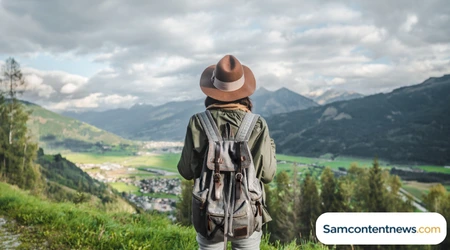
Bypassing over-visited hubs like Paris or Venice in favor of secondary cultural gems unlocks authentic regional hospitality while avoiding overwhelming tourist crowds.
Cities like Lyon, Bologna, Porto, or Leipzig offer world-class architecture, rich culinary traditions, and vibrant arts scenes at significantly lower daily costs.
Secondary destinations welcome visitors with genuine enthusiasm rather than commercial fatigue, creating opportunities for warm, spontaneous interactions with local residents.
Walking through neighborhood markets in smaller towns reveals authentic culinary traditions untouched by tourist-oriented mass production.
Staying in lesser-known regions also alleviates the immense pressure that overtourism exerts on fragile medieval infrastructure and residential housing markets.
Your presence delivers valuable economic benefits to local business owners who rely on sustainable year-round tourism.
I find that spending an entire week exploring a regional province like Umbria or Andalusia leaves a far more profound impression than rushing through five European capitals.
Smaller cities invite you to slow down, sit at sidewalk cafes, and observe authentic daily life.
Exploring regional hubs exposes travelers to distinct linguistic dialects, traditional crafts, and regional culinary specialties that rarely cross national borders.
These subtle cultural encounters form the heart of authentic European exploration for curious travelers.
Choosing second-tier cities cost-effectively stretches your travel budget, enabling longer stays without compromising on comfort or cultural quality.
You trade commercialized tourist traps for authentic neighborhood living.
++How to plan a weekend getaway Without Hassle
Which Cultural Practices Help Travelers Integrate into Local Communities?
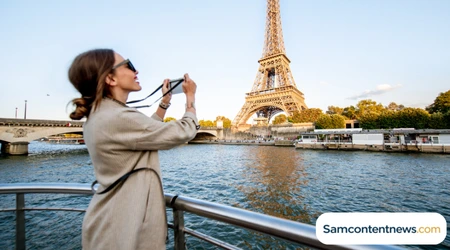
Integrating into European communities begins with respecting local daily schedules, such as honoring afternoon rest periods or adapting to late dining customs.
Learning basic greeting phrases in the local language demonstrates genuine courtesy, instantly warming interactions with shopkeepers, bus drivers, and restaurant staff.
Sourcing daily meals from neighborhood bakeries, produce markets, and independent butchers fosters daily connections with local vendors who take immense pride in their craft.
Preparing simple meals using fresh regional ingredients inside an apartment kitchen anchors your daily stay in local culinary culture.
Participating in local public life—whether attending neighborhood festivals, visiting public parks, or riding municipal trams—connects you directly to civic culture.
Observing how residents spend their leisure hours provides fascinating insights into European quality-of-life traditions.
I personally recommend seeking out family-owned taverns and neighborhood bistros located away from major tourist squares for evening meals.
Ordering daily specials curated by local chefs guarantees authentic regional flavors while supporting culinary heritage.
Taking time to visit neighborhood libraries, municipal art galleries, and community gardens offers quiet moments of reflection away from tourist crowds.
These serene civic spaces reveal how European cities cultivate beauty and community engagement for their residents.
When you adapt to the local temporal rhythm rather than demanding home conveniences, doors open naturally.
Embracing local customs demonstrates respect and bridges cultural divides effortlessly.
++The art of slowing down: a guide to slow travel in Europe
When Is the Ideal Season to Enjoy Slow Travel in Europe?
Planning your journey during the shoulder seasons—specifically April through May or September through October—delivers ideal weather conditions alongside manageable crowd levels.
Mild temperatures make walking historic cobblestone streets comfortable, while local businesses operate at normal, unhurried paces.
Autumn harvest months offer exceptional opportunities for slow travelers interested in wine production, olive harvesting, and regional food festivals across Southern Europe.
Participating in local agricultural celebrations reveals deeply rooted traditions that have sustained European rural communities for centuries.
Winter visits to Southern European regions like Sicily or Andalusia provide pleasant sunny days and peaceful access to famous historical monuments.
While northern destinations experience shorter daylight hours, atmospheric winter markets and cozy café cultures create enchanting indoor experiences.
Avoiding peak summer months protects you from scorching heatwaves, packed transport networks, and inflated accommodation prices across popular coastal areas.
Traveling during quieter months ensures that your interactions with local hosts remain relaxed, personal, and unhurried.
Spring brings blooming botanical gardens, outdoor terrace dining, and vibrant cultural festivals across European towns without the intense summer humidity.
Seasonal timing fundamentally shapes the rhythm, comfort, and authenticity of your overall travel experience.
My favorite time to travel through Europe has always been late October, when autumn foliage peaks and towns reclaim their quiet, authentic routines.
You experience destinations when they belong truly to their residents.]
++Discover slow travel – travel slowly, stay longer and experience places with your heart
Comparative Analysis of Regional European Slow Travel Routes
Selecting the ideal geographic region for a slow itinerary depends on your personal interests, mobility preferences, and desired daily rhythm.
The table below outlines key characteristics across popular European slow travel corridors to help you plan your journey effectively.
| Slow Travel Corridor | Recommended Duration | Primary Transport Mode | Signature Cultural Experience | Average Daily Pacing |
| Tuscany & Umbria (Italy) | 10 – 14 Days | Regional Rail & Bus | Agriturismo & Medieval Hill Towns | Very Relaxed / Rural |
| Bavaria & Tyrol (Germany/Austria) | 7 – 12 Days | Alpine Electric Trains | Alpine Hiking & Lake Culture | Active & Scenic |
| Andalusia (Spain) | 10 – 14 Days | High-Speed Rail | Moorish Architecture & Flamenco | Evening-Focused / Vibrant |
| Provence & Rhone Valley (France) | 7 – 10 Days | Regional TER Trains | Vineyard Tours & Culinary Markets | Moderate / Gastronomic |
| Douro Valley & Porto (Portugal) | 7 – 10 Days | River Boats & Trains | Port Wine Heritage & River Views | Gentle / Picturesque |
| Flanders & Netherlands | 7 – 10 Days | Passenger Trains & Bicycles | Art Museums & Canal Cycling | Active / Urban |
| Peloponnese Coast (Greece) | 10 – 14 Days | Regional Bus & Ferry | Ancient Ruins & Olive Groves | Relaxed / Coastal |
| Galicia & Northern Spain | 8 – 12 Days | Coastal Feve Trains | Seafood Gastronomy & Celtic Heritage | Gentle / Maritime |
Comparing these distinct regional routes helps travelers tailor their schedules according to seasonal conditions, budget constraints, and preferred activities.
Combining efficient rail travel with multi-night stays in secondary towns guarantees a balanced, deeply enriching European vacation.
Choosing a route with short travel distances between stops prevents transport fatigue, allowing you to maximize actual exploration time in each location.
Prioritizing depth over geographical distance remains the golden rule of successful slow travel planning.
Investing time in a single geographical region allows you to develop a genuine sense of familiarity with local transport routes, regional wines, and daily customs.
This familiarity creates a comforting sense of temporary belonging that fast-paced itineraries can never replicate.
I always suggest staying at least four nights in each primary base to establish a comfortable daily routine.
Staying long enough to be recognized by the local barista changes your entire psychological connection to a destination.
Final Recommendations for Embracing a Mindful Journey
Planning a successful slow travel experience requires letting go of the urge to see every famous landmark listed in traditional guidebooks.
True discovery happens when you give yourself permission to sit quietly in a sunlit plaza, listen to local street musicians, and observe daily neighborhood life.
Prioritizing multi-night stays, sustainable train journeys, and secondary regional cities transforms a routine vacation into an inspiring cultural pilgrimage.
Building unscheduled afternoon hours into your daily itinerary protects your energy, fostering deep appreciation for European heritage and local hospitality.
Taking time to research regional customs, seasonal food markets, and rail routes before departure ensures smooth, stress-free transit between quiet destinations.
Thoughtful preparation empowers you to navigate historic regions with confidence, ease, and open curiosity.
Embracing slow travel ultimately enriches your life long after you return home, teaching you to approach daily routines with greater mindfulness and presence.
Official European travel association guidelines consistently emphasize sustainable cultural preservation as the future of continental tourism.
Traveling slowly and respectfully ensures that Europe’s historic treasures remain vibrant for generations to come.
I firmly believe that the most meaningful souvenirs are never physical objects bought in gift shops, but the quiet moments of connection that stay with you forever.
Choosing depth over speed is the greatest gift you can give yourself as a modern traveler.
Frequently Asked Questions (enjoy slow travel in Europe)
How can travelers maintain a flexible itinerary while booking European train tickets in advance?
Purchasing regional rail passes like Eurail offers flexible travel days across multiple national network lines without locking you into rigid departure times.
Alternatively, booking point-to-point tickets with flexible refund policies allows spontaneous schedule adjustments when you wish to extend your stay.
Is slow travel more expensive than booking fast multi-city vacation packages?
Slow travel generally reduces overall vacation costs by eliminating frequent long-distance transport fees and regional flights between distant cities.
Staying in one location longer often unlocks weekly apartment rental discounts and allows you to save money by cooking local market produce.
How do I handle language barriers when visiting smaller, non-touristy European towns?
Downloading offline translation applications and learning fundamental courtesy phrases helps bridge communication gaps easily in rural regions.
Local residents greatly appreciate polite efforts to speak their language, responding with patience, helpful gestures, and warm hospitality.
What is the best strategy for managing luggage during slow rail journeys across Europe?
Packing a single lightweight rolling suitcase or backpack ensures effortless movement through train stations, over cobblestone streets, and up historic hotel staircases.
Most European train stations also provide secure luggage lockers, allowing hands-free day trips to neighboring villages.
Can families with young children successfully adopt a slow travel approach in Europe?
Slow travel is exceptionally well-suited for families because it eliminates stressful daily packing, frequent hotel changes, and long airport waits.
Establishing a stable home base near public parks and pedestrian plazas allows children to adjust comfortably to local rhythms.
How do agriturismo lodgings support slow travel initiatives in Southern Europe?
Agriturismos are family-run working farms in countries like Italy and Spain that offer guest accommodations alongside fresh, farm-to-table meals.
Staying on an active farm connects visitors directly to rural agricultural traditions while providing peaceful country retreat environments.
Why is staying in residential apartments preferred over large international hotels?
Renting neighborhood apartments allows you to shop at local markets, cook regional ingredients, and experience everyday residential life directly.
Apartment living integrates you into daily community rhythms rather than isolating you inside artificial luxury bubbles.
How does slow travel benefit fragile European heritage sites and ecosystems?
Distributing visitor traffic across secondary towns and shoulder seasons prevents environmental degradation and housing inflation in over-visited cities.
Thoughtful pacing reduces individual carbon emissions while supporting regional independent businesses directly.