
Learning how to choose safe flooring for home spaces requires balancing slip resistance ratings, volatile organic compound emissions, impact absorption, and long-term material durability across every residential room.
Modern architectural design prioritizes indoor environmental quality alongside visual aesthetics, pushing homeowners to evaluate materials beyond surface patterns or price points.
Selecting appropriate residential surfaces prevents accidental falls, reduces indoor air toxicity, and protects vulnerable household members, including young children and aging adults.
Many homeowners mistakenly select slick polished tiles or high-VOC synthetic carpets, realizing too late that improper surfaces compromise safety and health.
Navigating dynamic friction coefficients, indoor air certifications, and moisture resistance standards transforms residential renovation into a proactive family protection strategy.
Investing in verified non-toxic, slip-resistant materials yields lasting comfort, functional accessibility, and enduring home value.
We often focus so heavily on visual aesthetics that we ignore how much our floors directly impact daily physical health.
Taking time to evaluate safety ratings turns an ordinary remodeling project into an essential health upgrade for your household.
Table of Contents
- What Are Slip Resistance Ratings and How Do They Protect Families?
- Why Does Indoor Air Quality Depend on Low-VOC Flooring Choices?
- Which Flooring Materials Help You Choose Safe Flooring for Home Wet Zones?
- How Do Impact Absorption Properties Prevent Serious Fall Injuries?
- What Are the Safest Flooring Options for Nursery and Child Spaces?
- When Should You Choose Safe Flooring for Home Upgrades to Support Aging in Place?
- Frequently Asked Questions
- Strategic Long-Term Planning for Safe Residential Flooring
What Are Slip Resistance Ratings and How Do They Protect Families?
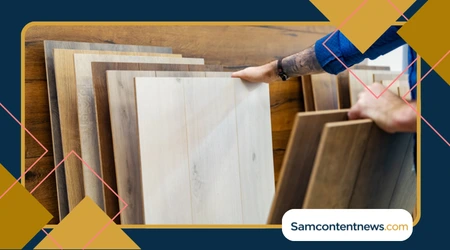
Slip resistance ratings measure dynamic coefficient of friction values, determining how effectively surface textures prevent human slipping under both dry and wet conditions.
Architectural safety standards establish minimum friction thresholds for residential walkways, ensuring smooth surfaces provide adequate traction during routine daily household activities.
Testing protocols evaluate pendulum test values and ramp ratings, identifying whether specific tiles or planks maintain slip resistance when exposed to water or grease spills.
In my observation of interior renovation projects, homeowners frequently overlook wet traction scores, installing high-gloss porcelain tiles in kitchens where liquid spills happen regularly.
Selecting textured matte porcelain, unpolished natural stone, or embossed luxury vinyl planks creates subtle micro-grooves that catch shoe soles and bare feet safely.
Verifying safety certifications prevents painful household injuries, establishing a stable physical foundation across high-traffic hallways, entryways, and open-plan living environments.
Understanding friction ratings empowers smart material purchasing. Balancing texture with cleanability ensures surfaces remain safe without creating difficult maintenance headaches for busy families.
Furthermore, applying specialized anti-slip treatments or choosing inherently textured materials reduces trip risks significantly.
Safe surfaces preserve household accessibility without compromising modern architectural design.
In my view, prioritizing friction ratings over high-gloss aesthetics pays immediate dividends. Practical safety engineering protects loved ones from preventable emergency room visits.
Additionally, checking dynamic friction values before buying materials prevents costly re-tiling projects later. Safety-first material selection guarantees long-term peace of mind across all living zones.
Read also: How to find flight deals for retirees
Why Does Indoor Air Quality Depend on Low-VOC Flooring Choices?
Volatile organic compounds off-gas from synthetic carpets, petroleum-based vinyls, adhesives, and polyurethane finishes, contaminating indoor residential air and triggering chronic respiratory irritation.
Low-emission flooring products preserve indoor air freshness, preventing headaches, allergy flare-ups, and long-term chemical exposure for children breathing close to floor levels.
Independent testing organizations evaluate chemical emissions strictly, awarding certifications to building materials that meet rigorous health standards for indoor residential environments.
Official environmental health guidelines emphasize that indoor air pollutant concentrations often exceed outdoor levels, making non-toxic interior material selection essential for family health.
Choosing natural hardwood with water-based finishes, solid cork, or certified low-emission luxury vinyl eliminates harmful phthalates and formaldehyde fumes from bedrooms.
In my analysis of residential air quality, synthetic carpets backed with chemical adhesives frequently trap dust mites, pet dander, and toxic off-gassing compounds for years.
Investing in certified low-VOC flooring builds a healthy indoor sanctuary. Clean materials protect developing lungs and preserve fresh air quality throughout your home.
Moreover, allowing new materials to acclimate and ventilate before installation reduces initial chemical concentrations.
Proper installation techniques preserve healthy indoor environments seamlessly and effectively.
In my experience, natural linoleum made from linseed oil and wood flour provides an exceptional eco-friendly, non-toxic alternative.
Natural ingredients deliver inherent antimicrobial properties without synthetic chemicals.
Additionally, pairing low-VOC flooring with zero-emission adhesives prevents hidden toxic off-gassing. Clean installation systems ensure your home atmosphere remains completely safe and breathable.
++How to simplify home maintenance routine
Which Flooring Materials Help You Choose Safe Flooring for Home Wet Zones?
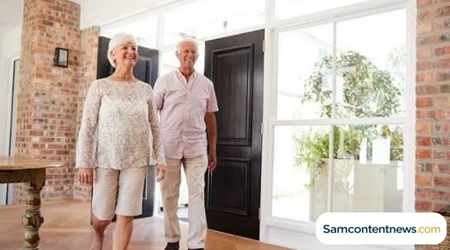
Bathrooms, kitchens, mudrooms, and basements require moisture-impermeable surfaces that resist water pooling, prevent mold growth, and maintain slip-resistant traction continuously.
Glazed porcelain tile, sheet vinyl, and stone plastic composite luxury vinyl feature waterproof core layers that prevent standing water from seeping into subfloors.
Impervious surface layers stop trapped moisture from spawning toxic black mold colonies beneath planks, protecting structural subfloors and household air purity.
| Flooring Material | Slip Resistance (Wet) | VOC Emission Level | Moisture Resistance | Ideal Home Application |
|---|---|---|---|---|
| Textured Porcelain Tile | Very High | Zero VOCs | 100% Waterproof | Bathrooms, Entryways, Kitchens |
| Certified Luxury Vinyl (SPC) | High | Ultra-Low (FloorScore) | 100% Waterproof | Basements, Kitchens, Playrooms |
| Natural Solid Cork | Moderate | Zero VOCs | Water-Resistant | Bedrooms, Nurseries, Living Rooms |
| Solid Hardwood (Water-Based) | Moderate | Very Low | Low (Moisture Sensitive) | Dining Rooms, Hallways, Bedrooms |
In my observation of bathroom installations, smooth large-format tiles turn extremely slick when wet, turning routine shower exits into dangerous hazard zones.
Installing small mosaic tiles with extensive grout lines increases traction dramatically, providing natural friction grips for wet feet in residential shower enclosures.
Evaluating water absorption rates ensures your chosen flooring resists warping, cupping, or bacterial growth when subjected to daily steam and liquid splashes.
Selecting waterproof materials prevents structural decay and slippery bacterial buildup. Intelligent moisture management protects subfloors while maintaining hygienic, easy-to-clean residential spaces.
Furthermore, sealing grout lines annually preserves moisture barriers and prevents mold spores from colonizing tile joints. Proper maintenance routines sustain surface safety and structural integrity.
In my view, choosing stone plastic composite planks for basements solves dampness issues brilliantly. Rigid synthetic cores resist humidity swings while offering warm, slip-resistant underfoot comfort.
Additionally, installing anti-fracture waterproof membranes under bathroom tiles prevents subfloor rot.
Layered waterproofing safeguards your property value and household structural safety simultaneously.
Read more: How to make your bathroom safer at home
How Do Impact Absorption Properties Prevent Serious Fall Injuries?
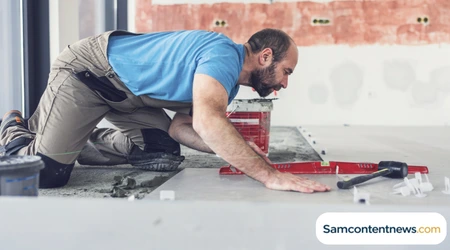
Impact-absorbing flooring materials cushion accidental falls, reducing bone fracture severity, joint strain, and head injuries among active toddlers and aging family members.
Solid cork, natural linoleum, and cushioned vinyl feature resilient cellular structures that yield under body weight, offering natural shock absorption during slips.
Underlayment pads installed beneath floating laminate or engineered wood planks add acoustic dampening while creating a softer landing surface during accidental stumbles.
In my analysis of home injury risks, rock-hard concrete subfloors topped with unyielding stone tiles absorb zero impact energy, compounding physical trauma from falls.
Choosing resilient flooring materials reduces daily physical fatigue on knee and hip joints, making cooking and standing far more comfortable for adults.
Integrating padded underlayments beneath residential walkways combines structural stability with subtle cushioning, creating a forgiving environment for every generation under your roof.
Prioritizing impact absorption transforms hard indoor floors into forgiving physical surfaces. Soft, supportive flooring choices protect vulnerable family members from severe fall injuries naturally.
Moreover, resilient cork flooring recovers its original shape after heavy impacts, maintaining long-term structural beauty while absorbing everyday footstep shock effortlessly.
In my experience, adding high-density rubber underlayment beneath engineered wood creates an ideal balance.
You achieve timeless hardwood beauty with modern impact-absorbing safety features underneath.
Additionally, installing shock-absorbing underlayments muffles structural noise between home levels.
Quieter acoustic environments reduce daily sensory stress across busy multi-generational households.
++Best Flooring for Seniors: A Guide to Safety and Wellness
What Are the Safest Flooring Options for Nursery and Child Spaces?
Children’s playrooms and nurseries demand non-toxic, hypoallergenic, easily sanitized, and soft surfaces that cushion frequent tumbles while enduring heavy toy impacts.
Solid cork flooring provides an ideal nursery surface, offering natural thermal insulation, fire resistance, antimicrobial protection, and soft shock-absorbing cushion underfoot.
Organic wool rugs placed over low-VOC hard surfaces add cozy play areas without introducing synthetic chemical flame retardants or volatile stain treatments.
I often observe parents installing thick plush carpets, unaware that long carpet fibers trap dust, allergens, and microscopic toy debris deep within backings.
Selecting smooth, low-emission hard surfaces with washable organic accent rugs allows effortless cleaning while preserving soft play zones for growing toddlers.
Verifying zero-formaldehyde manufacturing ensures that crawling infants inhaling air directly at floor level remain protected from toxic airborne chemical emissions.
Designing child spaces with clean, cushioned materials fosters safe exploration and physical development.
Non-toxic flooring choices safeguard developing immune systems during crucial early growth years.
Furthermore, choosing scratch-resistant surface coatings prevents toy cars and fallen blocks from damaging floor finishes. Durable surfaces maintain hygienic integrity despite aggressive daily play activities.
In my view, cork flooring remains the undisputed champion for nursery safety. Soft texture, natural warmth, and clean chemical profiles create an unmatched developmental environment for infants.
Additionally, choosing stain-resistant natural surfaces simplifies daily spill cleanups. Quick sanitation prevents bacterial growth, keeping children’s play areas clean, healthy, and inviting.
++What Is The Best Flooring For Elderly?
When Should You Choose Safe Flooring for Home Upgrades to Support Aging in Place?
Upgrading residential flooring becomes essential when family members experience reduced mobility, balance changes, or vision impairments, requiring smooth transition thresholds and high-contrast surfaces.
Eliminating high-pile carpets, loose throw rugs, and raised transition strips removes common tripping hazards that cause catastrophic hip fractures among senior adults.
Selecting low-glare matte finishes prevents confusing floor reflections, helping individuals with changing vision perceive surface depth and balance changes accurately.
Accessibility guidelines published by federal safety agencies provide valuable spatial metrics for smooth transitions, ramp slopes, and slip-resistant indoor pathways.
Installing continuous smooth surfaces like flush-mounted luxury vinyl or low-nap commercial carpet allows wheelchairs and walkers to roll smoothly without catching edges.
In my observation of home accessibility modifications, contrasting colors between floor surfaces and baseboards helps seniors navigate room boundaries safely during nighttime hours.
Adapting flooring for accessibility preserves personal independence and mobility confidence. Proactive safety renovations allow older adults to remain comfortably within their homes for decades.
Additionally, choosing warm, cushioned floor materials protects sensitive joint structures during daily walking. Supportive surfaces reduce fatigue and encourage active, independent living.
In my view, replacing high-threshold doorways with flush transition ramps prevents dangerous stumbles. Seamless floor transitions create safe, barrier-free living environments for everyone.
Furthermore, installing non-slip stair treads with high-visibility edge strips secures multi-level homes. Enhanced step visibility prevents tragic fall accidents on indoor residential staircases.
Strategic Long-Term Planning for Safe Residential Flooring
Selecting safe residential flooring requires a comprehensive approach that integrates slip prevention, clean indoor air standards, impact absorption, and generational accessibility needs.
Investing in high-performance, non-toxic materials protects your family’s immediate physical health while preserving long-term property durability and structural value.
Continuously evaluate room usage patterns, moisture exposure risks, and family mobility needs before purchasing new flooring materials.
Consulting federal accessibility standards and public building codes provides comprehensive insight when planning extensive home safety renovations.
In my view, prioritizing functional safety over superficial design trends creates a truly welcoming home.
Safe, non-toxic surfaces empower your family to live, play, and age with complete confidence.
Establishing clear safety criteria before starting renovation projects eliminates impulsive buying decisions.
Thoughtful material selection transforms your living space into a secure, healthy, and beautiful home.
Ultimately, your floors represent the physical foundation of daily family life. Choosing slip-resistant, clean, and cushioned surfaces guarantees that every step taken inside your home remains secure.
Taking control of home safety delivers lifelong peace of mind. Building a healthier physical environment ensures your home remains a safe sanctuary for generations to come.
Prioritizing household wellness starts right beneath your feet. Creating a safe, non-toxic physical foundation lets your family thrive with lasting comfort and confidence every day.
Choose safe flooring for home: frequently asked questions
Which flooring type is least slippery when wet?
Textured unpolished porcelain tile with small mosaic grout patterns offers superior wet traction, making it the safest choice for residential bathrooms and entryways.
How do I verify if a flooring product is truly non-toxic?
Look for independent third-party certifications like FloorScore or GREENGUARD Gold, which test products strictly for low chemical emissions and zero toxic phthalates.
Are wall-to-wall carpets safe for children with asthma or allergies?
Hard surfaces like cork or low-VOC luxury vinyl are safer because synthetic carpets trap dust mites, pet dander, and allergens that worsen respiratory symptoms.
Can I make existing slippery tiles safer without replacing them?
Applying specialized anti-slip chemical treatments or adding low-profile rubber-backed non-slip mats increases traction without requiring expensive tile removal.
What is the best impact-absorbing flooring for seniors?
Solid cork flooring and cushioned luxury vinyl with high-density foam underlayments offer excellent impact absorption, reducing injury severity during accidental falls.
Why are high-gloss floor finishes dangerous for older adults?
High-gloss finishes reflect harsh light glare that distorts depth perception and masks standing water spills, increasing slip and fall risks significantly.