
Learning how to create a low maintenance garden transforms your outdoor space into a relaxing sanctuary. You will spend less time working and more time enjoying nature.
Modern homeowners demand beauty without endless weekend labor. Strategic planning allows you to build a thriving ecosystem that essentially manages itself year-round.
Achieving this balance requires smart design choices and native plant selection. We will explore practical methods to reduce your gardening workload significantly.
Summary:
- Why should you opt for simplified landscaping?
- What are the fundamental steps to design your space?
- Which plants survive with minimal human intervention?
- How does automated irrigation save time and resources?
- What is the role of hardscaping in reducing yard work?
- When should you perform seasonal upkeep tasks?
- Conclusion
- FAQ
Why should you opt for simplified landscaping?
Traditional lawns demand constant mowing, watering, and chemical treatments. These outdated practices consume precious weekend hours and deplete vital local water resources rapidly.
Shifting toward sustainable design solves these common household frustrations immediately. You reclaim your free time while simultaneously supporting local wildlife and soil health.
Financial savings present another compelling reason to rethink your yard. Reduced water bills and fewer fertilizer purchases keep more money in your wallet monthly.
Decreasing your reliance on gas-powered landscaping tools benefits the environment directly. A streamlined yard significantly lowers your personal carbon footprint over the years.
Fostering a self-sustaining ecosystem attracts beneficial insects and local songbirds. Your property becomes a vibrant natural haven rather than a sterile green carpet.
What are the fundamental steps to design your space?
Analyzing your property marks the vital first step toward success. You must understand your local climate zones, soil types, and daily sunlight patterns.
Sketching a basic layout prevents costly mistakes during the planting phase. Grouping plants with similar water and light requirements ensures long-term survival.
Replacing large sections of thirsty grass with alternative ground covers works wonders. Clover or creeping thyme requires zero mowing and naturally suppresses invasive weeds.
When you create a low maintenance garden, prioritizing perennial species over annuals prevents replanting every single spring. These hardy plants return automatically each year.
Proper soil preparation guarantees a strong foundation for new vegetation. Adding high-quality compost improves drainage and delivers essential nutrients to young root systems.
Testing your soil pH dictates which species will actually survive there. Purchasing a simple testing kit prevents you from buying incompatible, expensive greenery.
Understanding local microclimates within your yard prevents future planting failures. The north side of your house stays cool, while the south bakes completely.
Mapping existing mature trees helps you work around their extensive roots. Never plant delicate flowers under dense canopies where they face fierce nutrient competition.
Implementing strong borders prevents grass from invading your pristine flower beds. Steel or concrete edging creates a permanent barrier that stops aggressive rhizomes instantly.

Which plants survive with minimal human intervention?
Native species always outperform exotic imports in residential landscapes. These resilient plants evolved to thrive in your exact regional weather conditions naturally.
Drought-tolerant varieties require almost zero supplemental watering after establishing their roots. Succulents, ornamental grasses, and tough shrubs form the backbone of resilient designs.
Choosing evergreen shrubs maintains visual interest throughout bare winter months. They drop fewer leaves, which directly translates to less raking for you during autumn.
Yarrow stands out as an incredibly tough perennial for sunny spots. It resists severe drought and actively attracts beneficial pollinators to your yard.
Coneflowers provide vibrant summer color without asking for any chemical fertilizers. These hardy native flowers shrug off intense heat and survive harsh winter freezes.
++ Simple ways to organize your closet
Hostas dominate shady areas where traditional flowering plants struggle to survive. Their massive leaves naturally suppress weeds by blocking sunlight from hitting the soil.
Russian sage offers brilliant purple blooms alongside striking silver foliage. This indestructible shrub actually prefers poor soil and demands zero supplemental summer watering.
Let us examine a factual comparison of common yard additions. The data below highlights why native selections drastically outpace traditional ornamental choices.
| Plant Category | Average Lifespan | Weekly Water Need | Maintenance Level |
| Traditional Turf Grass | 10-15 years | 1.5 inches | High (Weekly) |
| Native Perennial Shrubs | 15-20+ years | 0.5 inches | Low (Annual) |
| Ornamental Annuals | 1 season | 2.0 inches | Very High (Daily) |
| Groundcover (e.g., Clover) | 5-10 years | 0.5 inches | Low (Minimal) |
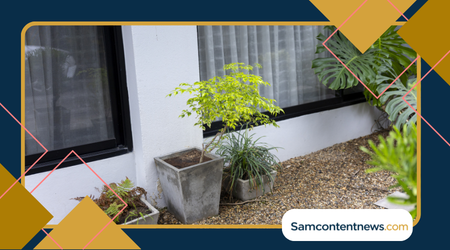
How does automated irrigation save time and resources?
Modern technology removes the daily burden of manual hose watering entirely. Smart systems monitor local weather forecasts and adjust watering schedules automatically.
++ Best robot vacuums for easy cleaning
Drip irrigation delivers moisture directly to the base of your plants. This precise method prevents wasteful evaporation and keeps fungal diseases off delicate foliage.
Installing moisture sensors ensures your yard only receives water when necessary. You prevent overwatering, which often kills more plants than severe drought conditions do.
Experts strongly advocate for these targeted watering methods in modern design. For comprehensive guidelines on water conservation strategies, visit the EPA WaterSense program portal.
Initial setup costs quickly pay for themselves through reduced utility bills. Your vegetation grows stronger and deeper roots thanks to consistent, deep watering cycles.
Wi-Fi enabled controllers let you manage watering schedules from your smartphone. You can easily pause irrigation systems while traveling if unexpected rainstorms suddenly hit.
Integrating rain barrels into your setup captures free water directly overhead. Connecting these barrels to a gravity-fed drip line creates a zero-energy hydration system.
Checking your sprinkler heads monthly prevents catastrophic water waste from leaks. A simple broken nozzle can silently waste hundreds of gallons overnight if unnoticed.
What is the role of hardscaping in reducing yard work?
Integrating stone pathways and wooden decks minimizes workable soil areas. These permanent structures add immense aesthetic value without requiring weekly upkeep or fertilization.
A thick layer of organic mulch serves multiple crucial landscape functions. It blocks sunlight from reaching weed seeds while actively retaining precious soil moisture.
++ How to organize digital photos on Your PC
Gravel gardens present a highly modern, incredibly sleek aesthetic choice. They eliminate the need for organic topsoil and provide excellent drainage for resilient plants.
Raised planting beds contain soil perfectly and prevent aggressive weeds from spreading. They also save your back from intense strain during occasional pruning sessions.
Strategic placement of boulders creates instant focal points among your greenery. These massive natural elements never need watering, trimming, or seasonal replacement.
Permeable pavers offer an eco-friendly alternative to solid concrete driveways. They allow rainwater to naturally filter back into the underground aquifer below.
Decomposed granite creates beautiful, soft-looking pathways that never need mowing. This inexpensive material compacts firmly and provides excellent traction during heavy rainstorms.
Installing a modest patio expands your functional outdoor living space dramatically. You replace high-maintenance turf with a permanent entertainment area that cleans up easily.
When should you perform seasonal upkeep tasks?
Even the most self-sufficient properties require occasional human guidance. Scheduling your tasks prevents small issues from snowballing into overwhelming weekend projects.
Early spring remains the optimal time for applying fresh mulch layers. This preemptive strike smothers emerging weeds before they can establish strong root systems.
Late winter serves as the perfect window for pruning dormant shrubs. Removing dead branches encourages vigorous new growth when warmer temperatures finally return.
Autumn requires minimal intervention beyond clearing heavy debris from delicate groundcovers. Leaving some fallen leaves actually provides crucial winter habitat for beneficial local insects.
Sticking to a simple annual checklist guarantees your space remains beautiful. You will handle these minor chores quickly and return to relaxing outdoors immediately.
Summer maintenance strictly involves enjoying the space and monitoring for stress. If you selected the right plants, you will simply watch them thrive naturally.
Applying a slow-release organic fertilizer in spring feeds plants all season. You avoid the tedious chore of mixing liquid nutrients every single weekend.
Dividing overcrowded perennials every three years keeps your beds looking neat. This simple autumn task also provides free plants to expand your landscaping efforts.
Cleaning your basic gardening tools before winter prevents rust and decay. Sharp shears and clean shovels make your rare springtime chores significantly easier.
Conclusion
Deciding to create a low maintenance garden fundamentally shifts your relationship with nature. You trade exhausting labor for peaceful observation and genuine outdoor enjoyment.
Implementing smart layouts, utilizing native species, and embracing hardscaping guarantees success. Your beautifully planned sanctuary will continue thriving with just minimal seasonal guidance.
Start small by converting just one demanding flowerbed into a self-sustaining zone. For more advanced horticultural insights, explore resources provided by the Royal Horticultural Society.
FAQ
What are the best low maintenance garden plants?
Native perennials and drought-tolerant succulents always rank at the top. Lavender, ornamental grasses, and creeping sedum require almost zero daily attention after establishment.
How does mulching help reduce yard work?
Thick organic mulch acts as a physical barrier against aggressive weeds. It significantly reduces soil evaporation, cutting your required watering frequency in half.
Why should I replace my traditional grass lawn?
Standard turf grass demands constant chemical feeding, watering, and weekly mowing. Replacing it with clover or gravel instantly reclaims hours of your precious free time.
When is the best time to redesign my landscape?
Early autumn provides the absolute best conditions for planting new shrubs. The cooler soil temperatures encourage strong root growth before harsh summer heat arrives.