
Selecting robot vacuums for easy cleaning transforms daily household maintenance, keeping living spaces consistently free of dust, debris, and stubborn pet hair without requiring constant manual oversight.
Modern autonomous floor care has evolved far beyond noisy, random bump-and-turn gadgets that constantly get stuck under low-clearance sofas.
Today, these intelligent appliances serve as essential home automation assets, combining precise spatial navigation, adaptive suction mechanics, and self-emptying docks to deliver truly hands-free domestic upkeep.
Investing in a reliable automated ecosystem restores hours of valuable personal time every week, allowing homeowners to enjoy pristine floors without breaking a sweat.
Table of Contents
- What Are the Key Features of Modern Robot Vacuums for Easy Cleaning?
- How Does LiDAR Navigation Improve Floor Cleaning Efficiency?
- Why Are Self-Emptying Docks Essential for Robot Vacuums for Easy Cleaning?
- Which Floor Types Benefit Most From Robotic Suction Systems?
- Comparing Top Autonomous Vacuum Performance Metrics
- What Maintenance Steps Keep Autonomous Cleaners Operating Efficiently?
- How Do Obstacle Avoidance Cameras Protect Household Items?
- When Should Homeowners Upgrade Their Floor Cleaning Equipment?
- Frequently Asked Questions
- Streamlining Home Care With Autonomous Cleaning Solutions
What Are the Key Features of Modern Robot Vacuums for Easy Cleaning?
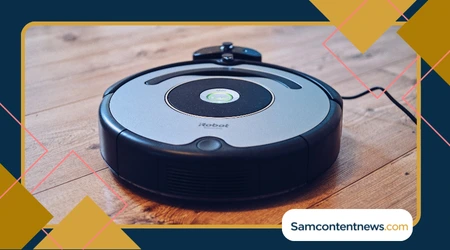
Selecting a reliable automated cleaning device requires assessing motor suction power, battery longevity, brush roll architecture, and mobile software integration.
Premium units utilize multi-stage cleaning systems that agitate embedded dirt on carpets before sweeping debris into high-efficiency air filters.
Suction metrics measured in Pascals determine how effectively a machine lifts heavy particles, fine sand, and deeply matted pet hair from dense carpet fibers.
Advanced flagship models reach ratings between 5,000 Pa and 12,000 Pa, ensuring thorough carpet penetration without requiring multiple repetitive passes over dirty spots.
In my testing across various household setups, rubber brush rollers perform significantly better than traditional bristle brushes.
Counter-rotating rubber blades maintain continuous contact with hard flooring while channeling stray pet hair directly into the intake port without tangling around rotating shafts.
Smart phone applications grant complete remote control over cleaning schedules, suction strength levels, room prioritization, and virtual boundary zones.
Users can establish precise restricted areas around delicate furniture, pet feeding stations, or loose entertainment cables, preventing frustrating jams during autonomous cleaning cycles.
Integrated mopping systems feature spinning pads or sonic vibration plates that scrub hard surfaces while vacuuming simultaneously.
Automated water flow management prevents oversaturation on hardwood flooring, ensuring controlled moisture delivery during mixed surface cleaning sessions.
Beyond raw mechanical specs, the real magic lies in how seamlessly these features integrate into your daily household rhythm.
A well-designed robot operates quietly in the background, handling messy spills before they turn into stubborn floor stains.
++How to reconnect with your partner
How Does LiDAR Navigation Improve Floor Cleaning Efficiency?
Light Detection and Ranging technology revolutionizes automated floor navigation by firing invisible laser beams to measure precise distances between walls, furniture, and room doorways.
Rotating laser turrets scan surrounding environments hundreds of times per minute, constructing accurate two-dimensional floor maps instantly.
Systematic straight-line cleaning paths replace random bouncing patterns, reducing overall cleaning time while ensuring comprehensive floor coverage across large floor plans.
Integrated mapping algorithms remember complex room layouts, enabling targeted spot cleaning in high-traffic zones like kitchens or entryways.
Dark environments present no operational challenge for laser-guided systems, allowing autonomous vacuums to clean beneath beds, dark hallways, and low furniture late at night.
Reliable spatial awareness prevents repeated collisions with delicate baseboards, preventing scuffs on freshly painted surfaces.
Multi-floor mapping capabilities allow homeowners to store separate layout plans for different building levels within a single mobile application.
Moving the unit between floors triggers automatic map recognition, enabling seamless transition without losing previously established boundary settings.
Environmental health guidelines consistently emphasize that keeping indoor floors free from settled fine dust significantly reduces airborne allergen exposure.
Laser navigation guarantees that no hidden corner or forgotten floor space accumulates harmful dust mites over time.
Having watched early bump-style cleaners blindly hammer against chair legs, seeing modern LiDAR units glide around dining tables feels like watching science fiction become reality.
The sheer precision saves both your furniture legs and your mental sanity.
Read more: Best ergonomic home office setup tips
Why Are Self-Emptying Docks Essential for Robot Vacuums for Easy Cleaning?
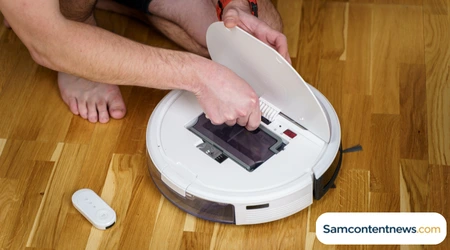
Self-emptying base stations represent a fundamental breakthrough in domestic cleaning automation, transferring collected dust into sealed dust bags automatically after every run.
High-suction dock motors pull accumulated debris from the robot’s internal dustbin within seconds, trapping fine allergens inside multi-layer HEPA storage bags.
Replacing small dustbins manually after every cleaning cycle often exposes allergic individuals to flying dust particles and pet dander.
Sealed dock bags hold several liters of dirt, allowing homeowners to go up to sixty days without touching collected waste or opening dusty canisters.
Advanced dock designs also feature automatic mop washing, hot air drying, and clean water replenishment systems for hybrid vacuum-mop combination devices.
Washing mop pads automatically prevents bacterial growth, mildew buildup, and unpleasant odors, ensuring fresh cleaning pads for every scheduled floor pass.
Base stations require minimal physical intervention, operating reliably through scheduled bag replacement intervals every few months.
Investing in a self-emptying ecosystem eliminates daily maintenance chores, delivering true set-and-forget convenience for busy professionals and families.
From an editorial standpoint, buying a robot vacuum without a self-emptying dock defeats half the purpose of automating your chores.
The sheer convenience of ignoring floor care for two full months turns a fun gadget into an indispensable household appliance.
++Easy kitchen organization ideas for home
Which Floor Types Benefit Most From Robotic Suction Systems?
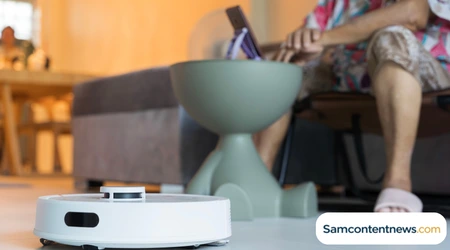
Hardwood floors, luxury vinyl planking, tile, and low-pile carpets gain the greatest functional benefit from daily automated vacuuming cycles.
Smooth surfaces allow rubber side brushes to sweep edge dust toward central suction channels without scattering light particles across clean floor sections.
Tightly woven low-pile rugs allow autonomous units to glide smoothly while removing surface dirt before it settles into underlying fabric backings.
Automatic carpet detection sensors trigger maximum suction power instantly when moving from smooth tile to thick rugs, optimizing battery usage across mixed surfaces.
High-pile shags and fringe-edged rugs can occasionally pose mechanical challenges for rotating side brushes and small drive wheels.
Setting virtual no-go zones around delicate heirloom rugs protects fabric fringe from twisting around drive axles while preserving uninterrupted cleaning routines elsewhere.
Tile floors with deep grout lines benefit significantly from high-Pascal suction systems that pull trapped sand and crumbs out of recessed crevices.
Regular automated sweeping prevents abrasive grit from scratching floor polishes, extending the lifespan of hardwood and laminate surface coatings.
Observing how these units handle transition strips between tile and hardwood reveals just how far engineering has come in recent years.
Smooth transitions mean your living room gets cleaned without human intervention or rescue operations.
++I resisted robot vacuums for decades – these six models made me a convert
Comparing Top Autonomous Vacuum Performance Metrics
Evaluating technical specifications helps consumers choose the ideal balance between raw suction power, navigation accuracy, and automated dock functionality across various price tiers.
| Feature Category | Entry-Level Units | Mid-Range Models | Flagship Autonomous Systems |
| Suction Power (Pa) | 2,000 Pa to 3,000 Pa | 4,000 Pa to 6,000 Pa | 7,000 Pa to 12,000 Pa |
| Navigation Type | Gyroscope / Infrared | VSLAM Camera / Basic LiDAR | Dual-Laser LiDAR + AI Camera |
| Dock Capabilities | Basic Charging Stand | Self-Emptying Dust Base | All-in-One Mop Wash & Auto-Empty |
| Obstacle Detection | Physical Bump Sensors | Basic Infrared Distance | Structured Light & AI Recognition |
| Battery Capacity | 2,600 mAh (90 mins) | 3,200 mAh (120 mins) | 5,200 mAh+ (180+ mins) |
Choosing trusted robot vacuums for easy cleaning using structured criteria ensures long-term reliability, superior edge cleaning, and minimal manual intervention across complex residential floor plans.
What Maintenance Steps Keep Autonomous Cleaners Operating Efficiently?
Maintaining peak vacuum performance requires simple, periodic upkeep steps that protect internal motors and extend overall battery lifespan.
Cleaning cliff sensors beneath the chassis prevents artificial stair drop-off errors that cause machines to stop unexpectedly during scheduled runs.
Inspecting side brushes every few weeks removes tangled hair strands that bind drive gears and drain battery reserves prematurely.
Wiping down shiny charging contacts on both the robot and base station maintains efficient current flow, ensuring full battery recharges between cleaning cycles.
Replacing internal HEPA filters every three to six months preserves strong airflow, keeping suction power strong while trapping microscopic allergen particles.
Rinsing washable filter elements under cold water requires thorough drying for twenty-four hours before reinstallation to prevent internal motor moisture damage.
Emptying hair wrap from main brush roller bearing caps prevents friction heat from melting plastic housings over years of continuous operation.
Spending five minutes on monthly maintenance preserves factory suction levels, ensuring consistent cleaning quality across all home floor surfaces.
I always tell friends that five minutes of simple upkeep once a month saves you hundreds of dollars in premature replacement parts.
Think of it like changing the oil in your car—preventative care keeps the machine running smoothly for years.
++These are the robot vacuum-mops I recommend for every type of home
How Do Obstacle Avoidance Cameras Protect Household Items?
Artificial intelligence cameras paired with structured 3D light sensors allow modern vacuums to recognize small hazards on floor surfaces in real time.
Advanced vision processing systems identify power cords, stray shoes, pet toys, and accidental pet waste, steering around items safely without interrupting cleaning runs.
Traditional bump sensors rely on physical contact to detect obstacles, which can knock over delicate items, scratch lightweight furniture legs, or get tangled in loose charging cables left near wall outlets.
Visual AI mapping categorizes object types instantly, marking their exact locations on interactive mobile app maps.
Privacy concerns regarding internal cameras are addressed by storing vision processing data locally on onboard encrypted processors rather than uploading raw video streams to cloud servers.
Infrared illumination modules allow optical sensors to identify dark power strips beneath low-clearance sofas without requiring bright room lighting.
Real-time hazard avoidance drastically reduces the need to prep floors by picking up small objects before running automated cleaning schedules.
Homeowners can launch remote cleaning cycles confidently, knowing the device won’t tangle on stray cords or get trapped under tight dining chairs.
There is nothing quite as frustrating as coming home to a robot that got stranded on a stray phone charger five minutes into its run.
Investing in AI-powered obstacle avoidance completely eliminates that headache once and for all.
When Should Homeowners Upgrade Their Floor Cleaning Equipment?
Upgrading older bump-style vacuums becomes necessary when battery degradation limits runtime, or when missing smart mapping features leads to uneven floor coverage.
Older units without self-emptying bases require constant manual emptying, defeating the core purpose of effortless home automation.
Transitioning to modern LiDAR systems eliminates repetitive room collisions, noisy operation, and stuck-machine errors that plague earlier automated vacuum generations.
Modern brushless motors deliver double the suction power while consuming significantly less electrical energy per cleaning cycle.
Homes with expanding pet families benefit immensely from upgrading to dedicated tangle-free rubber brush rolls and high-capacity self-emptying docks.
Advanced allergen filtration traps dander effectively, creating cleaner indoor air for asthma sufferers and individuals sensitive to airborne dust.
Investing in a current-generation robot vacuum replaces tedious daily sweeping routines with automated precision, giving homeowners back valuable personal time every week.
Upgraded navigation, robust suction power, and self-cleaning docks deliver reliable, hands-free home floor maintenance year after year.
Expert indoor air quality evaluations confirm that consistent daily vacuuming with sealed HEPA systems dramatically reduces fine particulate buildup in high-traffic living areas.
Upgrading your cleaning hardware translates directly into a healthier, dust-free indoor environment for your entire family.
Mastering App Controls and Custom Cleaning Schedules
Unlocking the full potential of your automated cleaner comes down to mastering its companion smartphone application.
Modern software allows you to customize suction power per room, set specific cleaning orders, and create customized schedules that match your family’s daily habits.
Programming your vacuum to clean the kitchen immediately after breakfast ensures crumbs are swept away before they get tracked across living room carpets.
Similarly, setting quiet runs while everyone is at work ensures you return home to freshly vacuumed floors every afternoon.
- Customize Suction by Room: Increase suction on hallway carpets while keeping hardwood bedroom floors on quiet eco mode to conserve battery.
- Establish Targeted Sequence: Direct your robot to clean clean areas like bedrooms first before tackling dirty zones like mudrooms or kitchen spaces.
- Set Dynamic No-Go Zones: Draw temporary virtual boxes around holiday decorations, play areas, or pet beds directly inside the interactive floor map.
- Schedule Spot Cleanings: Send the vacuum directly to high-traffic dining zones after dinner for a fast three-minute post-meal cleanup.
Taking twenty minutes to configure these software settings transforms a simple vacuum into an intelligent domestic assistant.
Tailoring the cleaning routine around your lifestyle ensures maximum efficiency with zero wasted energy.
Understanding Battery Longevity and Smart Recharge Protocols
Battery capacity dictates how much floor area an autonomous vacuum can cover on a single charge.
Modern units house lithium-ion battery packs ranging from 2,600 mAh in budget models up to 5,200 mAh or more in premium flagship devices.
Large floor plans benefit immensely from smart “recharge and resume” programming.
When battery reserves drop below fifteen percent mid-run, the robot docks automatically, recharges its battery cell, and returns directly to the exact spot where it paused cleaning.
- Opt for Brushless Motors: Brushless motor designs generate less internal friction, drawing significantly less battery power while boosting suction performance.
- Maintain Charging Docks: Keep base stations plugged into stable outlets free from surrounding clutter so your robot docks smoothly every time.
- Monitor Battery Lifespan: Expect high-grade lithium-ion battery packs to maintain optimal charge capacity for three to five years of daily operational cycles.
- Use Balanced Modes: Run everyday cleaning on standard suction power rather than max mode to extend overall battery health and cycle life.
Understanding how your vacuum manages its electrical energy helps you choose the right model for your specific square footage.
Reliable battery performance keeps your machine working quietly behind the scenes without constant low-battery interruptions.
Streamlining Home Care With Autonomous Cleaning Solutions
Adopting modern robotic floor care transforms daily domestic routines, maintaining immaculate living environments without demanding personal time or physical labor.
Intelligent spatial navigation, adaptive suction controls, and self-emptying base stations work together seamlessly to keep hard floors and carpets completely free of dust and debris.
Selecting a feature-rich model tailored to your specific floor plan delivers lasting convenience, superior indoor air quality, and consistent cleaning performance.
Embracing automated floor care technology lets you enjoy clean, comfortable living spaces effortlessly every single day of the year.
Frequently Asked Questions ( robot vacuums for easy cleaning)
How often should a robot vacuum be scheduled to clean?
Running automated vacuums daily or every other day maintains low baseline dust levels, preventing heavy debris accumulation on carpets and eliminating manual sweeping routines completely.
Do robot vacuums use a lot of electricity during daily operation?
No, autonomous vacuums consume minimal electricity, utilizing efficient rechargeable lithium-ion batteries that require only a few cents of electrical power per complete charging cycle.
Can robot vacuums clean dark carpets or rug patterns?
Older models often mistook dark carpet fibers for cliff drop-offs, but modern units utilize advanced sensor algorithms that differentiate dark carpet patterns from open stair edges accurately.
How long do battery cells last inside autonomous vacuums?
High-quality lithium-ion battery packs typically last between three to five years before experiencing noticeable runtime degradation, and replacement battery cells are easily installed using basic screwdrivers.
How do modern robot vacuums handle pet hair without clogging?
Flagship models utilize dual counter-rotating rubber rollers and high-Pascal suction channels that pull long pet hair directly into the dustbin without wrapping around brush axles.