
Evaluating walking tours for mature travelers requires balancing cultural immersion, manageable daily pacing, expert regional guidance, and dependable support systems to ensure deeply enriching travel experiences.
Mature explorers increasingly prioritize immersive historical journeys that allow thorough exploration without physical strain or rushed group schedules.
Walking through ancient cobblestone streets or winding countryside paths offers a unique rhythm that motorcoach itineraries simply cannot match.
This slower, deliberate approach to regional exploration turns every daily outing into a deeply personal cultural exchange rather than a superficial checklist of crowded tourist landmarks.
Table of Contents
- What Are the Defining Features of High-Quality Mature Walking Tours?
- Which Global Destinations Offer the Best Walking Tours for Mature Travelers?
- Why Is Accessible Cultural Exploration Essential for Active Older Adults?
- How Do Specialized Tour Operators Pace Walking Tours for Mature Travelers?
- Comparing Key Walking Tour Models for Mature Explorers
- When Should Senior Travelers Book Their Walking Expeditions?
- Frequently Asked Questions
- Securing the Ideal Walking Itinerary for Your Next Journey
What Are the Defining Features of High-Quality Mature Walking Tours?

Selecting an exceptional walking itinerary involves looking far beyond simple geographical destinations or basic sightseeing lists.
Superior tour operators prioritize manageable daily distances, expert local historians, luggage transfers, and small group sizes that foster genuine social connections among participants.
Curated walking routes carefully avoid punishing elevation gains, treacherous terrain, and overly rigid daily schedules.
Instead, these itineraries weave gentle historic city walks with tranquil countryside paths, offering frequent rest intervals, shaded resting spots, and comfortable private transportation backups.
Experienced guides understand how to adjust daily walking tempos according to group energy levels and changing weather conditions.
Having continuous access to knowledgeable local leaders ensures travelers absorb rich historical contexts without feeling physically exhausted by late afternoon.
Premium operators also handle all logistics behind the scenes, including hotel check-ins, regional luggage transfers, and dietary accommodations.
Freedom from heavy backpacks and complex transit navigation allows mature adventurers to focus entirely on cultural discovery and physical well-being.
Read more: Top cultural vacation spots around the World
Which Global Destinations Offer the Best Walking Tours for Mature Travelers?
Certain global regions naturally lend themselves to thoughtful, accessible walking itineraries tailored for mature travelers seeking rich history and quiet scenic beauty.
European destinations consistently lead the industry due to well-maintained pedestrian trails, dense historical city centers, and robust regional infrastructure.
Italy’s Tuscan countryside provides smooth rolling hills, historic vineyard paths, and iconic medieval towns with ample rest opportunities along every route.
England’s Cotswolds region features gentle valley walks connecting honey-colored stone villages along clearly marked, low-impact footpaths.
Traditional countryside inns provide charming nightly accommodations, making daily walking transitions exceptionally comfortable and culturally rewarding for international visitors.
Japan’s Nakasendo Trail offers beautifully preserved Edo-period walking routes featuring flat stone paths, serene mountain views, and traditional ryokan inns.
Excellent rail infrastructure allows travelers to bypass challenging mountain passes while enjoying authentic cultural encounters in historic post towns.
North America’s coastal regions, such as Maine’s Acadia National Park, feature crushed-gravel carriage roads perfect for low-impact scenic walks.
Local naturalists guide small groups along peaceful coastal cliffs, sharing ecological insights without requiring steep or hazardous climbing.
Read also: Essential travel insurance guide for Vacations
Why Is Accessible Cultural Exploration Essential for Active Older Adults?
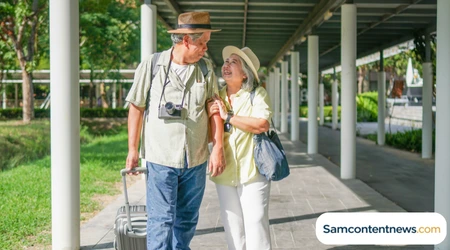
Engaging in structured physical activity while traveling delivers profound health benefits, keeping joints supple and boosting cardiovascular vitality.
Combining physical movement with rich historical discovery stimulates cognitive functions, enhancing memory retention and overall emotional well-being throughout long journeys.
Walking allows travelers to experience regional cultures through all five senses rather than viewing scenery through bus windows.
Stepping through ancient village gates, smelling local bakeries, and chatting with artisan shopkeepers creates deep emotional memories that structured coach tours simply cannot replicate.
Thoughtfully paced physical exploration also fosters meaningful camaraderie among like-minded travelers who share similar cultural interests.
Group sizes capped at twelve to fifteen guests encourage engaging dinner conversations, shared discoveries, and lasting global friendships across diverse backgrounds.
Prioritizing accessibility ensures that minor physical limitations do not prevent passionate travelers from discovering world heritage sites.
Modern itineraries integrate alternative transport options, allowing every guest to participate fully without feeling pressured or left behind during daily walks.
++How to stay safe traveling solo Anywhere
How Do Specialized Tour Operators Pace Walking Tours for Mature Travelers?
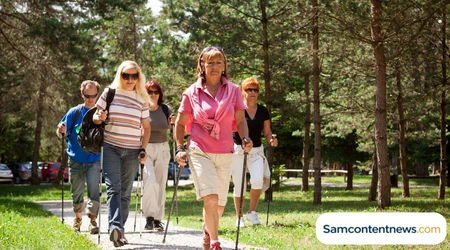
Designing balanced itineraries requires sophisticated route modeling that carefully calculates daily steps, surface stability, and localized incline variables.
Leading travel organizations conduct extensive field audits to verify path conditions, cobblestone stability, and stair accessibility before launching commercial itineraries.
Establishing accurate difficulty ratings helps mature clients select trips aligned precisely with their current physical fitness and comfort levels.
Verifying local safety conditions, healthcare infrastructure, and emergency transport options remains vital for senior international travelers.
Reliable operators incorporate these protocols directly into their daily logistical planning to protect guest well-being across all regional destinations.
Daily walking windows typically stay limited to three or four hours, strategically split between morning and afternoon sessions.
Extended lunch breaks at authentic local trattorias or village taverns allow physical recovery while celebrating regional culinary traditions.
Shorter daily walking segments ensure participants arrive at evening accommodations feeling refreshed rather than physically depleted.
Having ample leisure time before dinner empowers travelers to relax, read, or explore local boutiques at their own unhurried pace.
++Walking & Hiking Tours For Seniors in Europe
Practical Route Management and Physical Readiness Strategies
Preparing physically for an international walking vacation builds necessary stamina while reducing injury risks on uneven historical surfaces.
Starting a daily walking routine eight weeks before departure helps condition leg muscles, improve balance, and test proper footwear choices under realistic conditions.
Investing in high-quality, pre-broken-in walking shoes with firm ankle support and cushioned insoles prevents painful blisters on cobblestones.
Moisture-wicking socks, light trekking poles, and breathable layer clothing further enhance personal comfort across shifting regional microclimates.
Staying hydrated during daily excursions remains essential for maintaining physical energy and mental clarity, especially in warmer Mediterranean climates.
Carrying lightweight daypacks containing water bottles, sun protection, and essential personal medications ensures peace of mind throughout morning walks.
Communicating openly with tour leaders regarding pre-existing joint concerns or fatigue allows adjustments before discomfort escalates into injury.
Professional guides welcome active communication, gladly arranging transport shortcuts whenever guests request brief physical breaks.
From my personal observations following dozens of regional itineraries, travelers who take pre-departure conditioning seriously report significantly higher satisfaction levels during daily walks.
++10 Bucket List Walking Tours for Active Travellers Over 50
Comparing Key Walking Tour Models for Mature Explorers
Understanding structural differences between various walking tour formats enables mature travelers to choose experiences matching their personal independence and activity preferences.
| Tour Format | Daily Walking Distance | Group Size | Support Vehicle Access | Primary Target Audience |
|---|---|---|---|---|
| Small Group Guided | 3 to 6 Miles | 10 to 16 Guests | Continuous Support Vehicle | Social travelers seeking expert guidance |
| Self-Guided Premium | 4 to 8 Miles | Private (2+ Guests) | On-Demand Luggage Transfer | Independent couples wanting flexible pacing |
| Luxury Hub-and-Spoke | 2 to 5 Miles | 8 to 12 Guests | Private Minibus Transfers | Travelers desiring one central luxury hotel |
| Gentle Coastal Walks | 3 to 5 Miles | 12 to 18 Guests | Fixed Coastal Ferry / Van | Nature lovers favoring flat terrain paths |
Choosing walking tours for mature travelers using structured criteria ensures seamless vacation planning that respects personal boundaries while fulfilling lifelong travel aspirations.
Overcoming Mobility Concerns and Environmental Challenges
Experiencing occasional joint stiffness or reduced stamina should not disqualify mature adventurers from enjoying historic international destinations.
Modern tour operators provide flexible itinerary modifications, ensuring every traveler experiences core cultural highlights regardless of temporary mobility variations.
Utilizing continuous support vehicles allows tired walkers to board private vans during steeper trail sections without missing group lunch gatherings or historical lectures.
This safety net eliminates performance anxiety, empowering participants to walk as much or as little as they feel comfortable attempting.
Selecting itineraries built around flat terrain, such as canal paths, coastal boardwalks, or garden estates, minimizes joint stress significantly.
Destinations with modern pedestrian infrastructure allow effortless navigation, letting guests focus entirely on architectural heritage and local scenery.
Adapting daily pacing during unseasonably warm weather protects guest health while preserving overall vacation satisfaction.
Guides adjust schedules to explore shaded historic interiors during peak midday heat, reserving gentle outdoor walks for cool early morning hours.
In my experience working closely with traveling adults, having a support van trailing nearby acts as a psychological relief valve that actually encourages guests to walk further than they originally anticipated.
When Should Senior Travelers Book Their Walking Expeditions?
Timing your walking vacation correctly impacts local crowd levels, ambient temperatures, trail accessibility, and overall travel enjoyment.
Spring months from April through June offer pleasant walking weather, blooming landscapes, and manageable tourist density across Southern Europe and Japan.
Mild daytime temperatures allow comfortable outdoor physical activity without the exhausting heat characteristic of mid-summer months.
Autumn periods spanning September through November present ideal conditions for countryside walking across the Northern Hemisphere.
Harvest seasons bring vibrant foliage, rich local food festivals, and comfortable walking temperatures throughout historic rural regions.
Winter walking itineraries require careful selection, favoring sunny mild climates such as Spain’s Canary Islands or Southern California coastal trails.
Avoiding ice, freezing rain, and shortened daylight windows ensures safe, pleasant outdoor exploration throughout colder months.
Booking six to nine months in advance guarantees access to small-group departures and preferred ground-floor hotel rooms.
Early reservations also provide adequate preparation time for physical conditioning and organizing necessary international travel documentation.
Enhancing Cultural Immersion Through Mindful Pacing
Slowing down daily travel tempos allows mature walkers to develop genuine connections with local communities along historic walking routes.
Passing through rural villages on foot creates natural opportunities for spontaneous interactions with local farmers, artisans, and shopkeepers.
Local guides act as cultural translators, sharing personal family histories, regional folklore, and insider perspectives that traditional guidebooks overlook.
These authentic storytelling moments transform standard vacation sightseeing into deeply educational cultural exchanges.
Enjoying regional gastronomy forms an integral part of any well-designed mature walking itinerary, celebrating slow food traditions.
Sampling fresh local olive oils, artisanal cheeses, and regional wines provides rewarding culinary breaks after active morning countryside walks.
Reflecting quietly on daily historical discoveries during unhurried evening meals deepens emotional appreciation for visited destinations.
Travelers return home with enriched global perspectives, renewed physical vitality, and cherished memories of shared cultural journeys.
I often remind travelers that the most memorable moments on trail rarely happen at major landmarks; they usually occur during unexpected coffee stops in nameless villages.
What Are the Environmental and Social Benefits of Walking Tourism?
Exploring destinations on foot represents one of the most environmentally sustainable and socially responsible ways to travel globally.
Low-impact walking tours generate minimal carbon emissions while dispersing economic benefits directly to small, family-owned rural businesses.
Visiting lesser-known rural villages helps alleviate overtourism pressures affecting major European capital cities during peak summer seasons.
Diverting tourism revenue to regional artisans, small countryside inns, and local family taverns supports sustainable economic development in rural communities.
Walking also encourages deep environmental stewardship, cultivating respect for delicate natural ecosystems, national parks, and historic preservation corridors.
Travelers who observe natural landscapes up close develop stronger commitments to protecting global heritage for future generations.
Supporting ethical travel companies that employ certified local guides ensures that tourism income directly empowers native communities.
Responsible travel practices preserve local traditions, safeguard historic footpaths, and foster mutual respect between visitors and host populations.
Securing the Ideal Walking Itinerary for Your Next Journey
Embarking on a curated walking vacation offers active mature adults an extraordinary blend of physical renewal, rich historical education, and meaningful global fellowship.
By prioritizing manageable daily pacing, expert local guidance, and reliable support logistics, travelers can explore iconic international landscapes with complete confidence and physical comfort.
Selecting established tour operators committed to small group dynamics guarantees personalized attention, authentic cultural immersion, and lasting travel memories.
Taking that first step toward a well-planned walking journey opens doors to unforgettable landscapes, meaningful connections, and a rejuvenated appreciation for the world around us.
Frequently Asked Questions
What physical fitness level is required for mature walking itineraries?
Most itineraries require average fitness, allowing participants to walk three to five miles comfortably on flat or gently rolling terrain with frequent rest stops and flexible support vehicle availability.
How do tour operators transport guest luggage between hotels?
Luggage transfers are fully managed by private support vehicles that move heavy bags directly between accommodations each morning, leaving travelers with only lightweight daypacks containing water and essentials.
Can travelers with dietary restrictions be accommodated on group walking tours?
Yes, reputable operators coordinate directly with regional hotels and local restaurants in advance to accommodate vegetarian, gluten-free, low-sodium, or specific allergy requirements seamlessly throughout the journey.
What happens if a traveler feels too tired to complete a day’s walk?
Participants can board the accompanying support vehicle at designated check-in points along the route, traveling comfortably ahead to the afternoon lunch location or hotel without missing group activities.
How do guides handle medical emergencies during remote walking routes?
Professional guides carry satellite communication devices, first aid equipment, and maintain direct protocols with local emergency medical networks to ensure immediate assistance whenever health issues arise.