
Learning how to avoid travel fatigue during long trips requires understanding physiological stressors, managing sleep cycles, maintaining hydration, and pacing itineraries to preserve mental and physical energy across extended journeys.
Long-distance itineraries frequently derail due to exhaustion rather than poor logistics.
Vacationers often rush through dense sight-seeing plans, underestimating how circadian disruption, cabin pressure, and constant sensory input drain vitality over time.
Implementing targeted recovery habits transforms grueling transit days into smooth, restorative travel experiences.
Most people treat travel exhaustion as an inevitable tax on global exploration, yet it is almost entirely preventable with basic bodily awareness.
Learning to listen to your body’s subtle stress signals before departure saves you from spending half your vacation recovering in a hotel room.
Table of Contents
- What Is Travel Fatigue and How Does It Affect the Body?
- Why Does Dehydration Accelerate Exhaustion During Long Transits?
- How Can Travelers Align Circadian Rhythms to Avoid Travel Fatigue?
- Which Itinerary Pacing Strategies Help You Avoid Travel Fatigue?
- What Are the Most Effective Nutrition Habits for Long Journeys?
- When Should You Schedule Strategic Rest Days During Extended Trips?
- Frequently Asked Questions
- Long-Term Vitality Strategies for Frequent Travelers
What Is Travel Fatigue and How Does It Affect the Body?

Travel fatigue represents a complex physiological reaction to prolonged movement, sensory overload, changing environments, and disrupted sleep schedules during long-distance domestic or international journeys.
Unlike acute jet lag, which stems specifically from crossing multiple time zones, general travel exhaustion develops from environmental conditions like low airplane humidity, cramped seating, and constant noise.
Systemic inflammation increases when your body remains sedentary in pressurized air cabins for hours.
Decreased circulation leads to muscle stiffness, swollen lower extremities, and reduced cognitive performance throughout your trip.
In my observation of long-haul travel patterns, people frequently misinterpret exhaustion as simple boredom.
Recognizing that transit places genuine physical stress on your cardiovascular system helps prioritize proper physical rest.
Cortisol levels spike when navigating chaotic airports, customs queues, and tight train connections.
Elevated stress hormones disrupt digestion, lower immune resistance, and impair emotional regulation, making minor travel delays feel overwhelming.
Adopting proactive wellness habits before departure protects your physical baseline.
Strategic hydration, light physical stretching, and intentional quiet time reduce the cumulative physical toll of extended global travel significantly.
Ultimately, managing fatigue requires treating long transit days like physical endurance events.
Respecting your body’s biological limitations prevents early exhaustion from ruining the rest of your scheduled vacation itinerary.
Furthermore, cumulative fatigue dampens emotional engagement with new cultures.
When your nervous system remains overstimulated, even breathtaking historical landmarks or world-class cuisine fail to evoke genuine delight or curiosity.
In my view, many travelers mistakenly push through exhaustion using caffeine, which only worsens adrenal fatigue.
Prioritizing genuine physiological recovery yields far better cognitive clarity and mood stability abroad.
Read more: Essential packing tips for mature travelers
Why Does Dehydration Accelerate Exhaustion During Long Transits?
Airplane cabins maintain artificial humidity levels below twenty percent, causing rapid moisture loss through breathing and skin exposure during flights exceeding four hours in duration.
Dehydration thickens blood viscosity, forcing your heart to work harder to circulate oxygen efficiently.
This physiological strain manifests as deep muscle fatigue, persistent headaches, and dry visual discomfort.
According to global aviation health guidelines, passenger cabin environments extract moisture rapidly, requiring consistent fluid replacement to maintain cognitive sharpness and prevent physical lethargy.
Avoiding diuretics like alcohol and excessive espresso prevents accelerated fluid depletion.
While cabin drinks seem tempting, alcohol severely disrupts REM sleep cycles, amplifying jet lag symptoms upon arrival at your destination.
Drinking electrolytes alongside pure water optimizes cellular hydration far better than plain water alone.
Sodium, magnesium, and potassium balance prevents cramping during long periods of seated confinement in transit.
I usually advise drinking roughly eight ounces of water for every hour spent inside an aircraft.
Consistent sipping keeps mucous membranes hydrated, strengthening your natural respiratory defenses against circulating airborne viruses.
Prioritizing fluid intake forms the baseline of physical travel resilience. Maintaining cellular hydration preserves mental alertness, reduces digestive sluggishness, and helps your body adapt to foreign climates much faster.
Additionally, skin barrier function degrades quickly in low-humidity environments.
Applying topical moisturizers and keeping saline nose sprays handy reduces local inflammation, making long flights significantly more comfortable physically.
In my experience, carrying a durable reusable water bottle through airport security saves immense hassle.
Refilling it before boarding ensures you never rely solely on infrequent flight attendant drink services.
Read also: Top relaxing travel ideas for couples
How Can Travelers Align Circadian Rhythms to Avoid Travel Fatigue?

Adapting your internal body clock to target time zones requires calculated light exposure, timed melatonin regulation, and adjusting meal times prior to boarding long-haul international flights.
Circadian alignment relies primarily on natural light signaling through retinal receptors.
Exposing yourself to bright morning sunlight in your destination suppresses melatonin production, signaling your brain to awaken naturally.
Conversely, wearing blue-light blocking glasses or staying indoors during late afternoon hours encourages early melatonin release.
Managing light exposure carefully reduces the days required to adjust to local schedules.
| Recovery Vector | Primary Physiological Impact | Actionable Travel Strategy |
| Hydration Management | Maintains blood volume and oxygenation | Consume 8 oz water per transit hour with electrolytes |
| Circadian Adjustment | Realigns core body temperature and hormones | Seek morning sunlight; avoid late blue light exposure |
| Micro-Movement | Improves venous return and muscle elasticity | Perform ankle rolls and aisle walks every 90 minutes |
| Dietary Timing | Prevents metabolic lag and digestive distress | Shift meal hours to target time zone 24 hours prior |
Shifting your sleeping schedule by one hour daily before departure eases time zone shocks.
Gradual adjustments minimize severe hormonal disruption, allowing smooth adaptation to foreign day-night cycles without extreme exhaustion.
I often observe travelers making the mistake of napping for hours upon arrival. Resisting daytime sleep and staying awake until local evening time accelerates internal clock synchronization remarkably well.
Fast-tracking circadian alignment prevents prolonged brain fog and digestive distress.
Mastering light management techniques allows you to hit the ground running, maximizing your usable vacation time immediately upon landing.
Moreover, core body temperature shifts naturally alongside your circadian rhythm.
Taking a warm shower before bed lowers your internal temperature afterward, inducing deep, restorative sleep in unfamiliar hotel environments.
In my view, relying on heavy prescription sleep aids often backfires, leaving you groggy. Natural light management remains the safest, most effective tool for long-term circadian adaptation across continents.
++How to find accessible vacation rentals
Which Itinerary Pacing Strategies Help You Avoid Travel Fatigue?
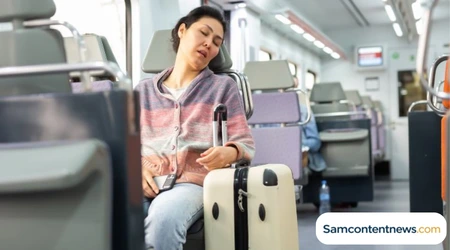
Pacing your travel itinerary requires balancing active sight-seeing with structured downtime, avoiding the common trap of overbooking daily activities at the expense of physical endurance.
Packing too many attractions into single days creates mental saturation and physical exhaustion.
Applying a three-tier daily structure—one main attraction, one secondary stop, and open leisure time—preserves energy.
Building buffer days into extended trips prevents logistical stress from compounding.
Scheduling a completely open afternoon every three days lets you rest, process experiences, or explore spontaneously without time pressure.
In my experience, frantic travel schedules stem from a scarcity mindset. Accepting that you cannot see every museum or monument frees you to enjoy selected destinations with deep, unhurried appreciation.
Alternate high-intensity urban touring days with quiet outdoor activities or relaxing park visits.
Varying environmental stimulation prevents sensory overload, keeping your mind fresh and receptive throughout long journeys.
Respecting personal energy patterns optimizes daily enjoyment. If you are naturally an early riser, schedule demanding walking tours for morning hours, leaving afternoons open for quiet cafes or reading.
Thoughtful itinerary planning transforms chaotic trips into rejuvenating journeys.
Protecting your schedule from overbooking guarantees sustained physical vitality, allowing you to absorb every cultural nuance without exhausting yourself completely.
Furthermore, transit logistics themselves consume immense mental energy.
Booking direct trains or flights, even at slightly higher costs, eliminates connection anxiety and saves precious physical stamina for actual exploration.
In my observation, rushing through iconic sites just to check boxes ruins the emotional joy of discovery. Giving yourself permission to sit quietly in a local square creates far richer memories.
++Five Ways to Avoid Travel Burnout
What Are the Most Effective Nutrition Habits for Long Journeys?
Maintaining stable blood sugar levels through balanced nutrition prevents energy crashes, digestive bloating, and mood irritability during long international flights and extended road trips.
Process transit foods pack high sodium levels and refined carbohydrates, causing fluid retention and rapid glycemic spikes.
Opting for lean proteins, healthy fats, and complex carbohydrates maintains steady energy release.
Intermittent fasting during flight hours offers a practical strategy for reducing jet lag. Pausing heavy food intake allows your digestive system to rest, resetting peripheral metabolic clocks aligned with meal timing.
I recommend packing portable, nutrient-dense snacks like raw almonds, pumpkin seeds, or unsweetened dried fruit.
Relying on healthy personal snacks keeps you independent from unpredictable airport terminal food options.
Probiotic supplementation supports gut microbiome health when eating foreign cuisines.
Maintaining balanced digestive flora prevents stomach upset, bloating, and immunity dips associated with shifting dietary habits abroad.
Eating your largest meal during local lunch hours aligns with natural digestive enzyme peak production.
Lighter evening dinners promote better sleep quality, preventing uncomfortable nighttime indigestion in foreign hotel beds.
Prioritizing clean nutrition fuels your body efficiently through challenging transit conditions. Choosing whole foods over sugary airport snacks keeps your mind sharp and your physical energy stable everywhere.
Additionally, magnesium-rich foods like dark chocolate or leafy greens support muscle relaxation during long flights.
Simple dietary awareness elevates your overall physical comfort without requiring complicated meal preparation while traveling.
In my view, skipping heavy late-night airport meals is the easiest way to protect your digestion. Your body processes nutrients far more slowly when adjusting to new time zones during transit.
++General travel burnout: How do you deal with fatigue on long trips?
When Should You Schedule Strategic Rest Days During Extended Trips?
Scheduling dedicated rest days becomes essential during itineraries exceeding seven days, providing necessary recovery windows for your physical body and processing time for your mind.
A strategic rest day involves zero planned tours, alarm clocks, or strict schedules.
Allowing your body to sleep naturally restores depleted adrenal reserves, resetting your physical capacity for upcoming travel legs.
Travelers often feel guilty taking days off during expensive vacations. However, resting for twenty-four hours prevents total mid-trip burnout, ensuring the remaining days remain enjoyable rather than exhausting chores.
I frequently suggest placing rest days immediately after intense travel segments, such as long overnight flights or multi-stop road legs.
Immediate recovery stops exhaustion from accumulating into chronic physical fatigue.
Use rest days to visit local laundromats, journal in quiet cafes, or read in public gardens. Low-stress activities maintain local cultural connection while providing complete physical and sensory relaxation.
Monitoring subtle exhaustion cues, such as rising irritability or persistent headaches, signals an urgent need to pause. Listening to your body prevents minor tiredness from evolving into full-blown illness abroad.
Embracing rest days treats long-distance travel as a sustainable lifestyle rather than a high-stress sprint.
Giving yourself permission to pause enriches your overall journey, returning home refreshed rather than depleted.
In my view, the quality of your travel experiences matters far more than sheer quantity. Taking a slow day to recharge leaves you with vivid, cherished memories instead of a blurred list of rushed landmarks.
Furthermore, resting allows your brain to consolidate spatial memories and cultural insights effectively.
Unplugging for a day turns chaotic impressions into meaningful life experiences that stay with you forever.
Long-Term Vitality Strategies for Frequent Travelers
Developing sustainable travel habits ensures long-distance journeys remain invigorating adventures rather than physically draining ordeals.
Treating your body with care before, during, and after transit builds lasting physical resilience, allowing you to explore distant corners of the globe with boundless curiosity and high vitality year after year.
Consistently review your personal recovery patterns after major trips, refining your hydration protocols and pacing strategies to match your evolving physical needs.
Consulting official global health organizations and international travel medicine resources helps you stay updated on recommended wellness practices for long-distance journeys.
In my view, viewing rest as an active component of travel planning shifts your perspective entirely.
Prioritizing physical well-being ensures every journey leaves you enriched, inspired, and genuinely restored for life back home.
Cultivating mindfulness during transit days transforms boring waiting periods into peaceful moments of quiet reflection.
Approaching travel delays with patience and flexibility protects your emotional reserves from unnecessary frustration.
Avoid travel fatigue: frequently asked questions
How can I avoid travel fatigue on long flights without taking sleep medication?
Optimize physical comfort using compression socks, eye masks, and noise-canceling headphones, while staying hydrated and practicing gentle breathing exercises to encourage natural sleep cycles.
Does compression wear actually help prevent exhaustion during long trips?
Yes, graduated compression socks improve lower leg venous circulation, reducing fluid pooling, leg aches, and the systemic physical sluggishness associated with long periods of seated immobility.
How do I prevent mental exhaustion when traveling with large groups or family?
Schedule mandatory solo downtime daily, setting clear boundaries around personal rest so you can recharge your social battery without feeling overwhelmed by group dynamics.
What is the difference between jet lag and general travel fatigue?
Jet lag results specifically from circadian desynchronization across time zones, whereas travel fatigue stems from general physical strain, dehydration, stress, and prolonged immobility during transit.
Can short power naps during the day help without ruining night sleep?
Limit daytime naps to twenty or thirty minutes in the early afternoon, which restores cognitive alertness without pushing your body into deep sleep stages that disrupt night rest.
How soon before a long trip should I start adjusting my sleep schedule?
Begin shifting your bedtime and wake times by thirty to sixty minutes roughly three days before departure to ease your circadian transition into the new time zone.