
Answering the emotional and logistical shift when empty nest syndrome sets in requires a structured, deeply personal strategy rather than passive adjustment for parents facing a suddenly quiet home.
It demands an honest audit of who you are when the daily noise fades away, stripping back decades of functional roles to reveal the person underneath.
This transition can feel like a quiet collapse, but it is actually an opening—a rare, unscripted space where your identity gets to expand again.
Table of Contents
- Understanding the Psychological Transition
- What Is Empty Nest Syndrome and Why Does It Strike So Hard?
- How Does the Household Dynamic Shift Overnight?
- What Are the First Practical Steps to Take When Empty Nest Syndrome Hits?
- Why Rebuilding Identity Beyond Parenting Matters Most
- Which Lifestyle Adjustments Support Long-Term Growth?
- Empirical Overview of Parental Life Transitions
- FAQ
- Moving Forward with Purpose
What Is Empty Nest Syndrome and Why Does It Strike So Hard?
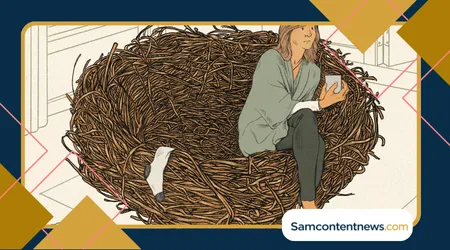
Parental identity shifts dramatically when children pack up their lives, triggering a complex mix of grief, silent anxiety, and purpose loss within families.
While not an official psychiatric diagnosis, clinical literature recognizes this transition as a profound psychological shock that fundamentally disrupts long-established daily routines, emotional patterns, and home roles.
In my view, people often underestimate the sheer physical weight of this silence. The sudden absence of daily logistics leaves a vacuum that feels remarkably like functional grief.
Understanding that these raw feelings stem from rapid neural adaptations to broken habits allows you to treat your distress as a natural biological reset rather than a personal failure.
The domestic space changes its fundamental frequency overnight. Where there used to be constant movement, scheduling conflicts, and background noise, an unfamiliar stillness takes over every room.
Many parents report feeling phantom obligations during the first few weeks. You might find yourself listening for a opening door or instinctively planning dinners for four instead of two.
This cognitive lag happens because your nervous system has spent two decades wired for constant hyper-vigilance and domestic management. Unlearning those instinctual habits takes conscious time and internal space.
Psychologists note that the emotional intensity of this phase often correlates with how heavily a parent wrapped their personal identity around daily caregiving tasks.
When child-rearing absorbs your entire focus, the end of active parenting feels less like a graduation and more like an abrupt termination of your primary purpose.
Acknowledging this loss without shame is essential. Mourning the end of a major life chapter does not mean you lack independence or resent your child’s growing autonomy.
Instead, it simply honors the immense love, energy, and dedication you invested in raising an independent human being who is now ready to navigate the external world.
How Does the Household Dynamic Shift Overnight?
Quiet environments instantly replace multi-person schedules, exposing long-ignored personal habits, unaddressed partner communication gaps, and an eerie, unexpected operational freedom across your daily routine.
Marital quality frequently enters a fragile testing ground where partners must rediscover shared meaning, navigate altered conversation rhythms, and face latent conflicts long hidden behind child-rearing duties.
When parenting no longer serves as a reliable buffer or shared distraction, couples are forced to look directly at each other and evaluate the health of their core partnership.
In my experience, this phase reveals whether a marriage maintained a genuine romantic connection or simply survived as a high-functioning domestic logistics company.
Single parents navigate a particularly sharp edge here, where quiet hallways can amplify isolation if external social networks and personal pursuits are not deliberately activated right away.
Without another adult in the home to share the emotional silence, single primary caregivers must take proactive steps to build structured daily interactions outside the house.
Financial resources also undergo a massive realignment, shifting priority from immediate tuition bills, grocery surges, and youth activities toward retirement readiness, personal health investments, and long-deferred creative goals.
Money that previously funded team sports, clothing, and college savings can now be strategically redirected toward securing your future or exploring personal passions.
However, this financial shift also requires thoughtful renegotiation if you are still offering secondary financial support to young adults transitioning into economic independence.
Establishing clear boundaries around ongoing financial assistance prevents prolonged dependency while protecting your personal long-term financial security and retirement timeline.
Read also: Overcoming fear of change in Your Next Chapter
What Are the First Practical Steps to Take When Empty Nest Syndrome Hits?

Structuring your morning and evening routines prevents domestic paralysis while establishing clear, respectful boundaries around how often you reach out to adult children finding their own feet.
I always advise against the temptation of daily check-in calls. Scheduled weekly touchpoints respect their growing autonomy while keeping your family connection warm, grounded, and completely pressure-free over time.
Young adults building their independent lives need spatial and emotional room to make mistakes, manage their own logistics, and develop self-reliance without constant parental oversight.
Establishing a predictable communication rhythm—like a Sunday afternoon phone call or mid-week text update—creates reassuring consistency without smothering their newly discovered freedom.
Decluttering personal living spaces without prematurely erasing your child’s physical footprint provides tangible mental relief while symbolically clearing physical room for your own upcoming projects.
Avoid the impulse to convert their bedroom into a fully renovated gym or guest suite during the very first week they pack their bags and head out.
Leaving their space intact for a few months gives both you and your child a comforting sense of continuity during an otherwise volatile period of environmental change.
Once the initial transition settles, you can thoughtfully collaborate with them on how to repurpose that square footage while preserving a welcoming space for holiday visits.
Re-evaluating simple foundational habits—like evening nutrition, consistent sleep timing, and regular daily movement—stabilizes your underlying stress chemistry during the rawest weeks of this emotional transition.
Physical exercise acts as a powerful biological buffer against depressive moods, helping release neurotransmitters that elevate focus, improve sleep quality, and ease persistent physical anxiety.
Prioritizing your physical health reminds you that your body and mind deserve deliberate, focused care independent of your functional duties as a household caregiver.
++Easy hobbies to start after 50 for Daily Joy
Why Rebuilding Identity Beyond Parenting Matters Most

Decades dedicated to raising children frequently obscure individual ambition, forcing adults to intentionally rediscover career aspirations, intellectual curiosities, and personal artistic outlets forgotten along the way.
Cognitive reframing helps transform this domestic shift into a powerful season of personal expansion rather than a slow, lingering loss of utility within the family structure.
You are not being replaced or discarded; you are simply completing a major biological mission and entering a chapter defined by self-determination and personal choice.
In my view, society unfairly conditions parents to view the departure of children as a tragic ending rather than a well-earned professional and personal milestone.
Re-engaging with professional development, advanced learning, or fresh entrepreneurial ventures allows middle-aged adults to channel recovered hours into genuine intellectual and economic milestones that belong entirely to them.
Many adults discover that their peak professional creativity and focus occur during this exact stage, liberated from the unpredictable demands of youth sports and school calendars.
Establishing a solid, vibrant personal identity outside of maternal or paternal roles correlates directly with long-term psychological resilience and renewed vitality during major midlife transformations.
When you cultivate a rich personal life, your relationship with your adult children shifts from a dynamic of emotional dependency to one of mutual respect and friendship.
Children of confident, self-actualized parents feel significantly less guilt about pursuing distant career opportunities or building their own independent family structures.
Your personal growth sends a clear, reassuring message that you are thriving, freeing them to focus entirely on their own developmental goals and adult responsibilities.
Take time to audit your past interests. What hobbies, creative projects, or professional ambitions did you set aside twenty years ago because there simply wasn’t enough time?
++How to restart your life after 50 with Confidence
Which Lifestyle Adjustments Support Long-Term Growth?
Building an intentional social community beyond immediate family buffers emotional vulnerability while opening fresh avenues for local leadership, creative collaboration, and deep, peer-level friendships.
Many parents realize their social lives previously revolved almost entirely around their children’s school networks, sports leagues, and neighborhood playdate groups.
As those proxy relationships naturally fade, actively cultivating adult friendships based on shared personal interests becomes vital for long-term emotional well-being.
Enrolling in challenging educational courses, joining local civic groups, or contributing to community initiatives restores structured purpose while fostering relationships rooted in shared values and adult curiosity.
Volunteering for causes you care about offers an immediate sense of utility, channeling your accumulated wisdom and organizational skills into meaningful societal contributions.
Redesigning your physical environment—like converting a quiet spare room into a functional writing office, painting studio, or gym—physically reinforces your personal evolution inside your home.
Your living environment profoundly influences your mindset. Updating lighting, repainting walls, or introducing fresh furniture layouts transforms a home from a memorial to childhood into a vibrant adult sanctuary.
Planning deliberate long-term travel, skill-building retreats, or adventurous outdoor challenges leverages your newly reclaimed freedom to forge vivid memories during this vibrant next chapter.
Travel takes on a completely different character when you no longer have to accommodate school schedules, youth diets, or multi-generational entertainment preferences.
You can now explore destinations spontaneously, stay in locations tailored to adult interests, and immerse yourself fully in historical, cultural, or physical pursuits.
Nurturing your partnership through shared adventures creates a fresh catalog of memories that belong exclusively to this new era of your relationship.
If you are single, joining specialized travel groups or retreat communities connects you with like-minded adults navigating similar life chapters and seeking shared adventures.
++Empty Nest Grief and Growth: 10 Lessons for Parents Letting Go
Empirical Overview of Parental Life Transitions
Quantifiable metrics demonstrate clear shifts in parental well-being, resource allocation, and relationship dynamics across the major phases of the empty nest life stage:
| Transition Phase | Average Timeframe | Primary Psychological Focus | Key Resource Shift |
| Acute Adaptation | 0 to 6 Months | Grief processing, habit redesign | Time reallocation to self-care |
| Identity Consolidation | 6 to 18 Months | Purpose rediscovery, career focus | Capital investment in goals |
| Dynamic Stabilization | 18+ Months | Adult-to-adult child bonds | Retirement & lifestyle focus |
Data highlights that while initial emotional shock peaks early, systematic investment in personal growth yields steady increases in long-term life satisfaction and marital health over extended periods.
Understanding this empirical progression helps normalize the uncomfortable early stages, reassuring you that discomfort is merely a temporary phase of structural personal adaptation.
As you move from acute adaptation to dynamic stabilization, your emotional energy shifts from processing loss to actively celebrating new milestones and personal achievements.
++6 ways to cope with empty nest syndrome
Moving Forward with Purpose
Embracing this new chapter means viewing your home’s quiet hallways not as a sad absence, but as a rare, open canvas for intentional living, health, and personal renewal.
By establishing grounded daily rhythms, cultivating mature adult relationships with your grown children, and pursuing bold personal ambitions, you transform a painful emotional shift into sustained personal growth.
The coming years offer remarkable room for intellectual achievement, deeper relational intimacy, and rich self-discovery when you step forward with proactive self-compassion and a clear personal strategy.
FAQ (Empty nest syndrome)
Is feeling deeply sad after children move out normal?
Yes, experiencing intense emotional responses is completely normal because your mind and body are adjusting to sudden shifts in lifelong daily habits and deep relational patterns.
How long does this emotional adjustment period usually last?
Most adults experience peak adjustment challenges during the first six months, with emotional balance returning steadily as new personal goals and daily rhythms take firm root.
How can partners reconnect after years focused on parenting?
Partners should schedule regular dedicated activities, talk openly about their individual future dreams, and extend genuine patience to one another as they rebuild a life together.
Should I convert my child’s room immediately after they leave?
Waiting three to six months before starting major interior redesigns ensures your child still feels anchored while giving you space to plan functional living updates thoughtfully.
When should someone seek professional therapy for this transition?
Seeking professional mental health guidance is wise if persistent heaviness, overwhelming anxiety, or total social withdrawal continues past six months and interferes with your basic day-to-day living.