
Implementing strategic packing tips for mature travelers ensures a seamless journey focused on rich experiences rather than physical strain.
Travel in mature years offers a unique freedom—the liberty to explore new destinations at an unhurried pace.
Packing for these journeys requires a deliberate balance between comfort, mobility, and preparedness.
Oversized bags, missing prescription records, or heavy footwear can quickly turn a dream vacation into a stressful ordeal.
Key Takeaways
- Prioritize Ergonomics: Transitioning to ultra-lightweight, spinner-wheel luggage reduces physical strain on joints and muscles during travel.
- Master Smart Packing Systems: Utilizing compression packing cubes and capsule wardrobing keeps gear organized while minimizing total weight.
- Protect Health Essentials: Keeping medications, medical documentation, and emergency plans organized in carry-on bags prevents travel disruptions.
- Incorporate Modern Safety: RFID-blocking gear, digital document backups, and wearable tracking devices offer peace of mind on long trips.
Why Is Luggage Selection Critical for Modern Mature Travelers?
Selecting the correct bag serves as the foundation of effortless travel. Carrying heavy or poorly designed luggage places unnecessary stress on wrists, shoulders, and the lower back.
Modern travelers benefit significantly from gear designed with advanced ergonomic materials.
Look for soft-sided or ultra-lightweight polycarbonate hard-shell suitcases featuring four multi-directional spinner wheels.
Four-wheel designs allow the suitcase to glide effortlessly alongside you, eliminating the need to drag heavy weight behind your body. Ensure the retractable handle locks securely at multiple heights to match your natural posture.
Weight limitations matter just as much as wheel design. Aim for an empty carry-on suitcase weighing under 6 pounds.
For checked bags, target a maximum weight under 9 pounds empty to keep overall load manageable when lifting onto scales or into transportation trunks.
How Can Capsule Wardrobes and Compression Tools Reduce Bag Weight?
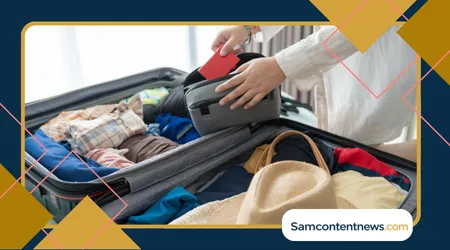
Overpacking remains one of the most common travel pitfalls. Building a functional capsule wardrobe solves this issue by maximizing outfit combinations using minimal clothing pieces.
Select a neutral base color—such as navy, black, or beige—and layer with lightweight, breathable fabrics.
++ How to plan a slow travel trip Step by Step
High-performance synthetic blends, merino wool, and moisture-wicking fabrics pack down small, resist wrinkles, and dry quickly after hand washing.
| Packing Method | Primary Benefit | Best Used For |
| Compression Cubes | Reduces volume by up to 40% | Sweaters, jackets, bulky items |
| Standard Cubes | Keeps categories organized | Shirts, underwear, accessories |
| Rolling Technique | Prevents deep fabric creases | T-shirts, casual pants, knits |
| Flat Folding | Preserves tailored structures | Blazers, dress shirts, skirts |
Organizing garments inside compression packing cubes optimizes internal suitcase space while keeping items neatly categorized.
Compression cubes press extra air out of soft goods, allowing you to fit more into a smaller, lighter bag without wrinkling fine fabrics.

What Are the Best Practices for Packing Medications and Health Essentials?
Health essentials must always travel in your personal item, never in checked baggage. Delays, lost luggage, or unexpected itinerary changes can separate you from vital prescriptions if packed incorrectly.
++ Best solo travel destinations for active adults
Keep medications in their original pharmacy containers showing clear dosage instructions and your full legal name.
Bring a complete paper list of your prescriptions, original dosages, and primary care physician contact details. Storing digital copies of medical records on a secure cloud device provides an extra layer of safety.
For international travel, check local medical regulations before departure. The U.S. Department of State Travel Advisories, website offers detailed destination-specific entry rules, ensuring your specific medication brands remain fully legal across borders.
Always pack an extra seven-day supply of essential medications beyond your planned return date.
Bring a compact medical pouch stocked with basic first-aid items, such as adhesive bandages, blister pads, antacids, pain relievers, and motion sickness medication.
How Do You Ensure Digital Security and Document Protection?
Digital tools streamline travel logistics while adding crucial layers of security. Keeping critical documents safe requires combining traditional physical safeguards with modern mobile technology.
Keep physical passports, credit cards, and government identification inside RFID-blocking sleeves or wallets.
Read here: Navigating dating later in life with Confidence
RFID shielding prevents unauthorized scanning of personal electronic data while navigating crowded airports or train hubs.
Scan digital copies of your passport, driver’s license, travel insurance policy, and travel vouchers. Email these files to yourself or store them in a password-protected cloud account accessible from any smartphone or tablet.
Drop an electronic tracking device, such as an Apple AirTag or similar Bluetooth tracker, inside each checked bag and carry-on.
These devices provide real-time updates on your luggage location directly from your smartphone, eliminating guesswork during layovers or airport transfers.
How Should You Manage Mobility Aids and Medical Equipment?
Traveling with mobility aids or medical devices like CPAP machines requires proactive organization. Always notify your airline in advance to secure priority boarding and dedicated storage space.
Pack medical equipment in specialized, padded bags that meet carry-on standards, as airlines usually do not count medical devices toward your personal item limit.
Bring universal power adapters, extension cords, and battery backups to ensure seamless device operation anywhere in the world.
Why Are Adaptive Toiletries and Self-Care Items Essential?
Streamlining your grooming routine with adaptive, leak-proof packaging prevents messy spills and reduces luggage weight.
Swap heavy glass containers for lightweight, refillable silicone bottles with large openings for easy squeezing.
Look for solid toiletries, such as shampoo bars and toothpaste tablets, to bypass liquid restrictions entirely.
Pack compact, easy-grip grooming tools like long-handled brushes or electric toothbrushes to maintain daily self-care effortlessly while conserving precious energy during your travels.
What Footwear and Wearable Gear Belong in Your Bag?
Footwear impacts daily travel enjoyment more than any other wardrobe choice. Walking tours, cobblestone streets, and airport terminals demand supportive, tested shoes.
Limit your total footwear to two or three pairs: one supportive pair of walking shoes worn during transit, one dressier pair for evenings, and an optional lightweight pair of sandals or slippers for indoor use. Never pack brand-new, unbroken shoes for a vacation.
Choose shoes with non-slip rubber soles, cushioned insoles, and easy-entry features such as side zippers or adjustable elastic laces.
Wearing your heaviest pair onto the plane saves substantial space and weight inside your main suitcase.
Frequently Asked Questions
What belongs in a carry-on versus checked luggage?
Pack all essential medications, medical devices, high-value electronics, important travel documents, a change of clothes, and precious jewelry inside your carry-on or personal item.
Checked luggage should house standard clothing, extra toiletries, secondary footwear, and non-essential travel gear.
How heavy should a mature traveler’s carry-on bag be?
Keep loaded carry-on bags between 15 to 20 pounds. Personal items, like backpacks or tote bags, should remain under 10 pounds to ensure easy lifting into overhead bins or placement under airplane seats without causing back or shoulder strain.
Are physical travel documents still necessary alongside digital apps?
Yes, maintaining physical paper printouts of boarding passes, insurance policies, hotel reservations, and passport copies remains essential.
Digital devices can suffer from dead batteries, lack of cellular signal, or unexpected software glitches while abroad.
Planning a smooth trip requires choosing lightweight gear, streamlining your wardrobe, and protecting your health essentials.
Review the official travel safety recommendations outlined by the Centers for Disease Control and Prevention, to ensure your health preparations match your upcoming destination seamlessly.
Applying these structured packing habits allows you to travel lighter, stay organized, and focus entirely on enjoying your next grand adventure.